

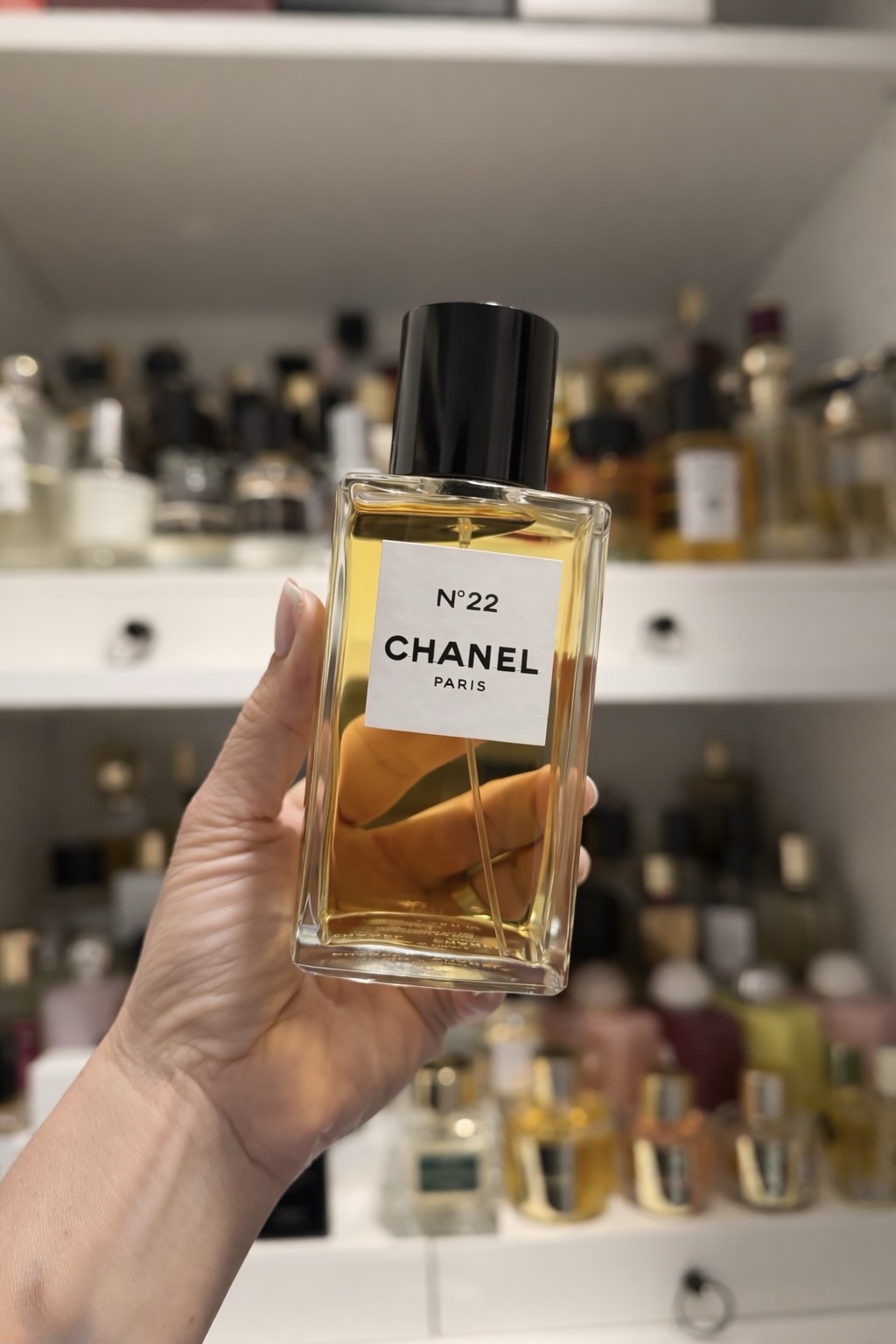
Perfume is one of life’s most personal luxuries, an invisible accessory that lingers in the air long after you’ve left a room. Like many fragrance lovers, I’ve spent years curating a collection of scents, from niche to affordable, that bring joy and elegance to my daily life. But recently, I encountered a troubling issue: some of my favorite perfumes, particularly a few of the more affordable Arabian options, began to irritate my skin. My neck, in particular, was dry, itchy, and even burning. After some research, I discovered that perfume caused skin irritation is a common issue for many people.
Understanding Perfume Sensitivity

Perfumes are complex creations composed of essential oils, aromatic compounds, solvents, and fixatives, all of which contribute to their unique scent profiles. However, not all ingredients are gentle on the skin. Many perfumes, especially affordable ones, contain synthetic chemicals and alcohol, which can dry out and irritate sensitive skin. This is especially true with potent, long-lasting Arabian fragrances, known for their rich and powerful compositions. Unfortunately, these intense formulations can often contain higher concentrations of irritants that sensitive skin struggles to tolerate.
Alcohol, a common base in many perfumes, helps diffuse the fragrance but also strips moisture from the skin, exacerbating dryness and irritation. The use of certain synthetic fixatives and potent natural oils, like jasmine or ylang-ylang, can also trigger allergic reactions and skin sensitivities in some individuals.
Over-Application: A Common Mistake
In today’s digital age, we’re bombarded by influencers showcasing lavish perfume rituals, spraying multiple layers on their necks, wrists, clothes, and hair. I fell into this trap, thinking more was better and wondering why my scent didn’t last as long as theirs. However, over-applying perfume, especially in sensitive areas like the neck, can overwhelm the skin, leading to irritation.
When combined with powerful Arabian perfumes, which often contain more concentrated oils, the result was dryness, itching, and burning. This is a classic case of contact dermatitis, a common skin condition caused by allergens found in perfumes.
Arabian Perfumes: Beautiful but Bold
Arabian perfumes are known for their deep, rich scents that last for hours, thanks to a blend of exotic spices, woods, and oils. While these perfumes offer luxury and elegance, they can also pose a challenge for sensitive skin. The potent oils used in these fragrances, such as sandalwood, jasmine absolute, and oud, can be too strong for delicate skin, especially when over-applied. These ingredients are often responsible for irritation, as they are known allergens.
That said, not all perfumes are created equally, and choosing the right brand can make a world of difference. Many luxury perfume houses prioritize quality and safety, using only the highest-grade natural ingredients and carefully testing their formulations for allergens.
Finding Balance: Less is More
Once I realized what was happening, I made adjustments to my routine. First, I significantly reduced the amount of perfume I applied, focusing on strategic areas like my wrists and a light mist on my clothes. This immediately reduced the severity of my skin reactions.

In addition, I turned to skincare to protect and heal my skin. I started using Necessaire’s Neck Serum, a hydrating and nourishing product that has been a lifesaver for my neck area. I also incorporated CeraVe Healing Ointment, which not only soothes irritation but acts as a barrier, preventing the perfume from coming into direct contact with my skin while helping the fragrance last longer.
Protecting Your Skin While Enjoying Perfume
If you’ve experienced similar issues with perfume, here are a few tips to help you enjoy your favorite scents without sacrificing your skin’s health:
- Hydrate and Protect: Before applying perfume, moisturize sensitive areas like the neck with a nourishing product like Necessaire Neck Serum or CeraVe Healing Ointment. These products create a barrier that protects your skin from irritating ingredients while also helping the scent last longer.
- Rethink Application: Avoid spraying perfume directly on your neck or other sensitive areas. Instead, apply it to your wrists or clothes where the skin is tougher. This reduces direct contact with potentially irritating ingredients.
- Choose Quality Over Quantity: Invest in high-quality perfumes that prioritize natural ingredients and avoid harsh chemicals. Brands like Le Labo, Frederic Malle, Aesop, and Byredo are known for using the finest raw materials and keeping allergens to a minimum. These perfumes not only smell luxurious but are also crafted with a more skin-friendly approach in mind.
- Less is More: Don’t feel the need to over-apply your perfume. A few well-placed sprays can be just as impactful as heavy application, without causing unnecessary irritation.
- Know Your Ingredients: Be mindful of the ingredients in your perfumes. Potent natural oils and synthetic fixatives can trigger reactions, especially in more affordable options that use harsher chemicals to enhance longevity.
Brands That Prioritize Skin Safety
For those looking for brands that prioritize allergen-free formulations, Henry Rose, founded by Michelle Pfeiffer, is a standout. This brand uses only the safest, transparent ingredients, making it a great choice for those with sensitive skin. Aesop also prides itself on high-quality, skin-friendly ingredients in its fragrances, offering a more gentle alternative without sacrificing luxury. Meanwhile, Maison Francis Kurkdjian and Diptyque are known for using premium natural materials and offer options that are less likely to cause irritation.
Balance and Care
Perfume is a beautiful, personal luxury, and we should be able to enjoy it without causing harm to our skin. By understanding the ingredients in our fragrances and adjusting our application methods, we can continue to indulge in the world of scent while protecting our skin. In the end, it’s about finding balance, applying just enough perfume to leave an impression without overwhelming our skin.
Sources for Further Reading:
- NCBI Article on Perfume Allergens
- NCBI Article on Contact Dermatitis and Perfume
- Cosmoderma Review on Perfumes and Associated Allergens
Follow us on social media for more tips on living an elevated classic lifestyle:
- Instagram: @elevated_classics
- TikTok: @elevated_classics
- Amazon Storefront: Elevated Classics
- ShopMy
Elevate your everyday with timeless elegance.









Leave a Reply