

The fragrance industry is booming. Despite a downturn in personal luxury goods, perfume and beauty sales continue to rise, with the global fragrance market valued at over $67 billion in 2024 and projected to reach $105 billion by 2030. While fashion houses struggle to maintain relevance, perfume remains an accessible luxury, one that consumers are more willing to invest in. But with this growth comes a challenge: the rise of fragrance dupes, because in a booming market, everyone wants a piece of the pie.
Dupes are no longer just cheap knockoffs. Some argue they democratize scent, allowing more people to experience high-end perfumes without the price tag. Others claim they dilute the artistry of perfumery. But are they truly killing the industry, or are they forcing it to evolve?
The Role of Social Media and Blind Buying
YouTube and TikTok have transformed how people buy perfume. The rise of ‘blind buying’, purchasing a scent based solely on online hype, without testing it first—has made dupes even more appealing. After all, the risk of losing $30 on a dupe is much easier to stomach than wasting $300 on a luxury fragrance that doesn’t suit you. This has led to a massive shift in consumer behavior, with people amassing large collections filled with budget-friendly dupes instead of investing in fewer, high-quality designer or niche perfumes.


Social media influencers, fragrance reviewers, and viral trends have accelerated this. When a fragrance like Maison Francis Kurkdjian Baccarat Rouge 540 or Tom Ford Lost Cherry becomes a viral must-have, dupe brands quickly step in to provide affordable alternatives. The promise of getting the same scent for a tenth of the price is hard to resist.
The Industrial Scale of Dupe Production
Entire factories are now dedicated to churning out fragrance dupes at an industrial scale, creating near-identical copies of luxury perfumes within weeks of their release. These factories operate with impressive speed, leveraging scent-analysis technology and AI to break down compositions and replicate them en masse. What was once a niche market has now become a thriving industry that capitalizes on demand, mirroring the rise of fast fashion in the beauty space.
Different Types of Dupe Houses, Not All Dupes Are the Same
Not all dupe houses operate in the same way. Some, like Lattafa, create perfumes that are reminiscent of popular fragrances but don’t directly copy them. Their quality can be hit or miss, but they offer budget-friendly alternatives that often appeal to those looking for a more affordable version of a trending scent. Then there are brands like Maison Alhambra (also owned by Lattafa), which take duplication to another level, replicating not just the scent but the name, bottle shape, and packaging with minor spelling variations to avoid trademark violations. These brands blur the line between inspiration and outright imitation.

Even more interesting is the case of The Woods Collection, a brand owned by one of the largest distributors of niche perfumes. Without advertising themselves as a dupe house, they are quietly replicating the very same luxury fragrances they distribute, matching their quality and compositions. Unlike brands that market themselves as affordable alternatives, The Woods Collection doesn’t publicly acknowledge that their scents are copies, leaving fragrance enthusiasts on Reddit to uncover their true nature.

Having tested both, the reality is surprising. Their scents, like Wild Roses, a near-perfect clone of Mancera’s Roses Vanille, and Flame, a dead ringer for Baccarat Rouge 540, are not just competent copies but, in some cases, better than the originals. Even MDM Layton has an equivalent in The Woods Collection, crafted with similar high-quality ingredients, yet without the price tag of Parfums de Marly. Unlike many mass-market dupes, The Woods Collection’s perfumes feel luxurious, and interestingly, they don’t trigger skin reactions the way some other dupe brands, or even original designer perfumes, do.
The Battle Over Artistic Integrity and Intellectual Property
One of the biggest criticisms of dupe culture is its impact on artistic integrity. Unlike logos, scent formulas are not protected by copyright, meaning brands have little legal recourse when their perfumes are replicated. Perfumers dedicate years to crafting complex compositions, only for them to be broken down and reproduced in a fraction of the time. This raises the question, at what point does “inspiration” become outright copying?
On the other hand, dupe houses argue that they are making perfumery more accessible, stripping away branding and marketing costs to offer customers a more affordable option. Their success suggests that many consumers don’t mind whether their perfume comes from a designer bottle or a no-name brand, as long as it smells good and lasts.
Luxury’s Counterattack: Can Prestige Brands Compete?
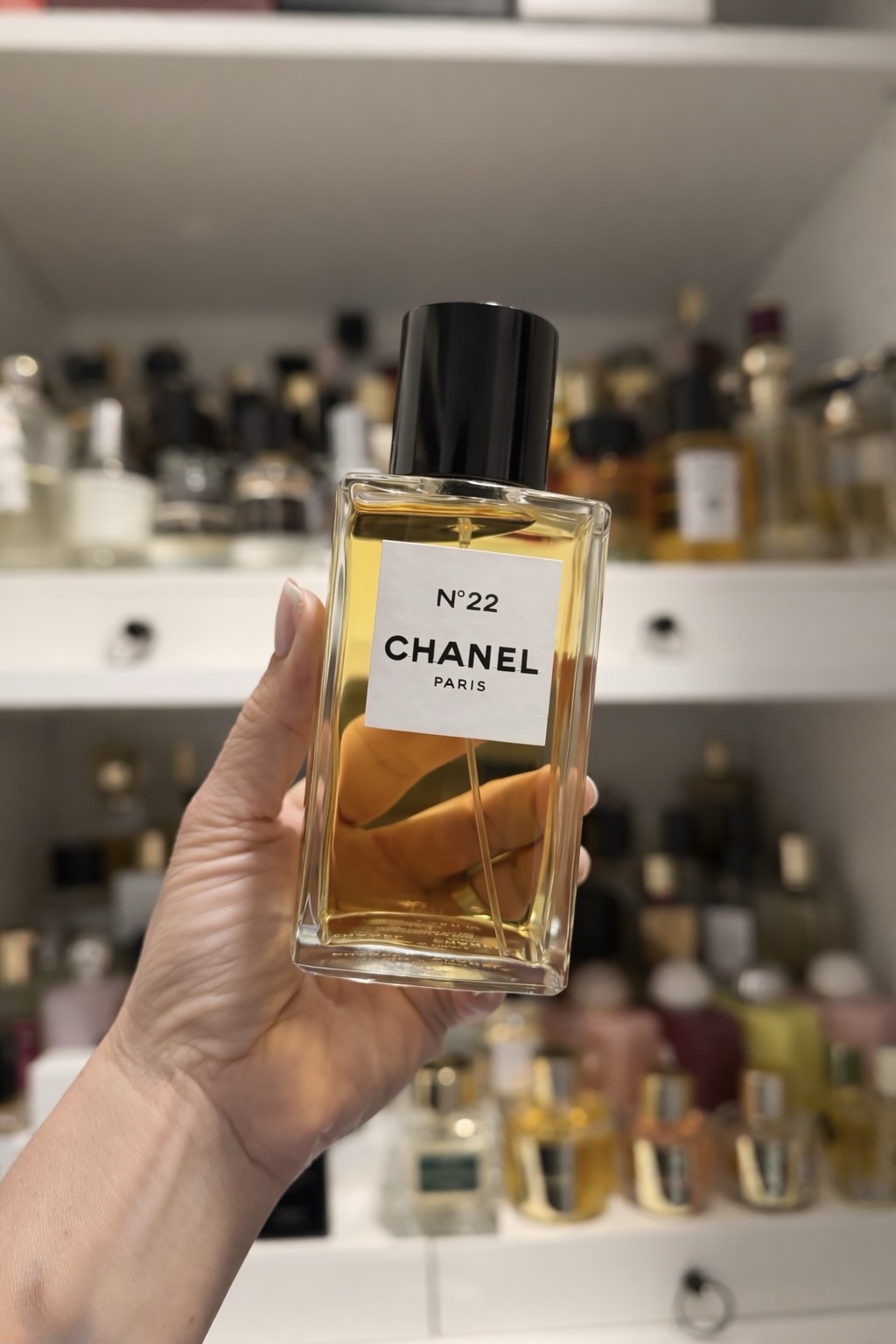
With the rise of dupes, high-end fragrance houses are under pressure to justify their pricing. Some, like Guerlain and Chanel, emphasize the craftsmanship and ingredient quality that go into their perfumes. Others focus on exclusivity, offering private collections and limited releases that dupe brands can’t easily replicate.

The reality is that perfume houses often work with the same major fragrance production companies, like Givaudan, Firmenich, and IFF, that formulate and manufacture scents for multiple luxury brands. When a successful DNA emerges, these production houses refine and reapply the formula with minor variations, saving both time and money for the companies that commission them.
There’s also a growing trend of luxury brands taking inspiration from their own successes. Designer houses frequently clone their own best-selling DNA and tweak it for new releases, Dior Sauvage, Lancôme La Vie Est Belle, and YSL Libre have countless flankers that slightly adjust the formula while keeping the essence intact.
In many cases, these are not entirely new compositions but adaptations of an existing formula. If the designer industry itself relies on this practice, are they not, in a way, cloning and copying their own work? And can they truly call out dupe brands for doing the same?
What This Means for Consumers
The real winners in the dupe debate are the consumers. With more options than ever, buyers are in control, choosing between the prestige and artistry of original creations or the affordability and accessibility of dupes. The key difference is in the full experience, luxury perfumes come with heritage, craftsmanship, and often, a more refined blend of ingredients. Dupes, while competent, often prioritize cost-effectiveness over the nuances of high-end perfumery.

However, as dupe brands continue to evolve and some even employ renowned perfumers to create their compositions, the lines between imitation and innovation are becoming increasingly blurred.
The Future of Fragrance: A Dupe-Driven Market?
Rather than destroying the industry, fragrance dupes are pushing it to evolve. Just as fast fashion disrupted luxury clothing, dupe culture is forcing perfume houses to rethink their strategies.
Luxury brands that rely only on name recognition may struggle, while those innovating in scent creation and exclusivity will thrive. Dupes may make fine fragrance more accessible, but can they replace the artistry and heritage of originals? Are you comfortable with the rise of dupes, or do you think some things shouldn’t be replicated? What are your thoughts on dupe houses, do you have favorites?
Follow us on social media for more tips on living an elevated classic lifestyle:
- Instagram: @elevated_classics
- TikTok: @elevated_classics
- Amazon Storefront: Elevated Classics
- ShopMy
Elevate your everyday with timeless elegance.






Leave a Reply