
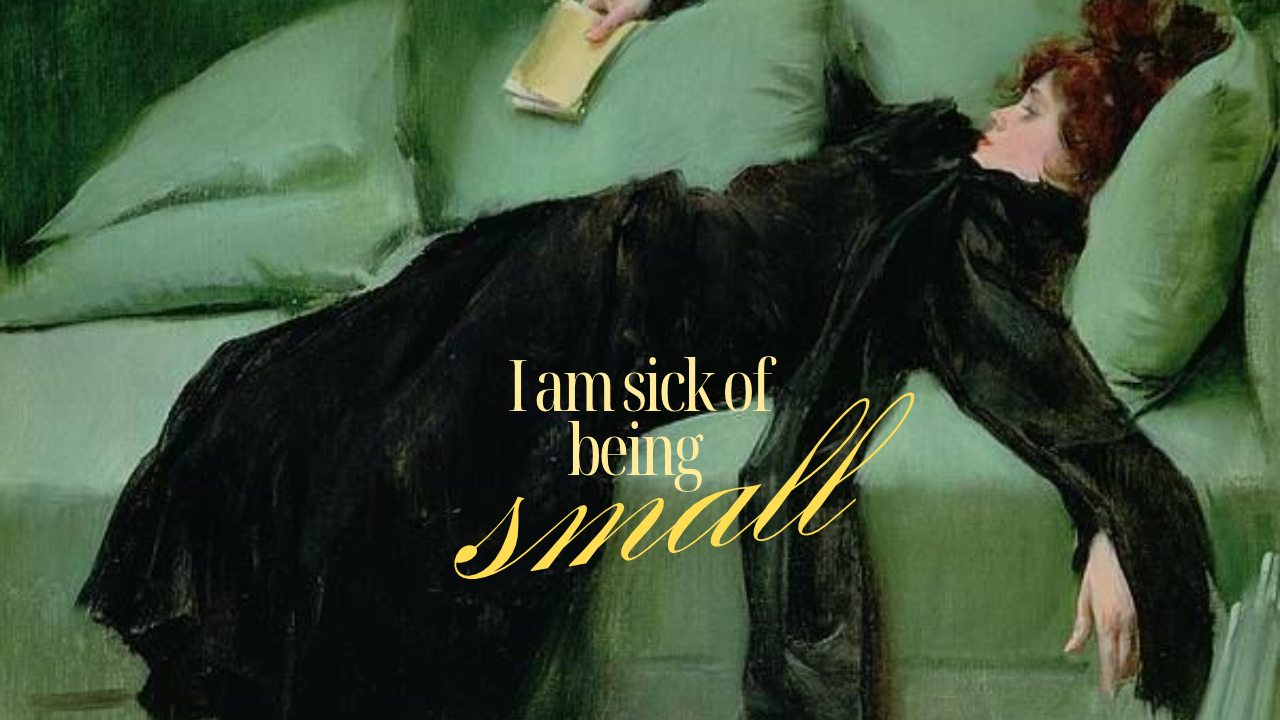
At 54, I am done turning myself down. I want color, a little drama, a perfume with presence, and the freedom to enjoy being noticed.
When I was 11, I arrived in the United States speaking no English. I learned the language, built a life, and found my way into rooms that once felt entirely unfamiliar. Now I am 54, and I am done entering those rooms by making myself easier to overlook. I have something to say, and some days I want a little color, a little drama, and a perfume that makes someone turn around.
Maybe I want to wear the bright thing, or layer two perfumes simply because I like what happens. Maybe I want to put real effort into getting dressed and enjoy being asked, “What are you wearing?” I am no longer interested in pretending that wanting to be noticed is embarrassing. I don’t need to make an entrance every day, but I want the freedom to do it when I feel like it.
Minimalism had a beautiful moment. I appreciate the calm, the clean lines, the relief of choosing less when less is what you want. I just don’t want restraint prescribed as a virtue for every woman and every occasion. Give me effort, texture, color, and a little theater. I want the full pleasure of what I chose.
Who Gets Called Too Much?
Women face a measurable social penalty when their behavior is read as dominant. A 2015 meta-analysis of 63 studies found a modest relative penalty to women’s likability and a larger one in evaluations of hireability, even though judgments of competence did not differ by gender. A woman could be seen as capable and still be liked less for how she asserted herself. The research puts numbers around a familiar correction: be confident, but make sure nobody has to feel it too much.

I recognize that correction in the little edits: the extra apology, the softened opinion, the joke that makes a firm statement easier to swallow. Sara Ahmed’s feminist killjoy is blamed for disturbing the mood when she points out a problem. Silvia Federici’s writing on unpaid housework makes visible labor women have long been expected to perform without complaint. I think about that same expectation when a woman is told her clothes, her perfume, or her confidence is taking up too much room.
Being Seen After 50
Older women describe invisibility as something they experience in public life, not simply as a private feeling. In a 2023 UK study, sociologist Sue Westwood analyzed a survey of 158 women aged 50 to 89. They described being under-seen in media, ignored in social and public spaces, reduced to a grandmother identity, or patronized as incompetent. Westwood’s study gives a name to experiences many women recognize, even if no single survey can speak for all of us.

I am not embarrassed that I want to be noticed. I want people to see the person who is there: curious, opinionated, still changing, still interested in beauty and pleasure. At 54, I don’t feel a need to perform a graceful disappearance or pretend that being overlooked is a compliment. I want to be seen as a whole person, and I want to enjoy how I look and smell while I am here.
Even a Bicycle Had a Dress Code
Women have negotiated the terms of their visibility for generations. The Smithsonian’s history of the “New Woman” describes women moving into workplaces, colleges, sports, and the streets on bicycles. Bloomers could make cycling easier, but wearing them drew criticism; bicycle designs were also adapted so women could ride in skirts. Even a bicycle came with opinions about how a woman should look while using it.
The Smithsonian account of suffrage, fashion, and the New Woman makes that argument feel familiar. A woman takes up a little more freedom, and somebody starts discussing whether she is dressed properly for it. Today the vocabulary may be different, but women still hear too loud, too ambitious, too decorated, too old to want attention, too much. I have heard enough of “too.”
Give the Perfume Some Room
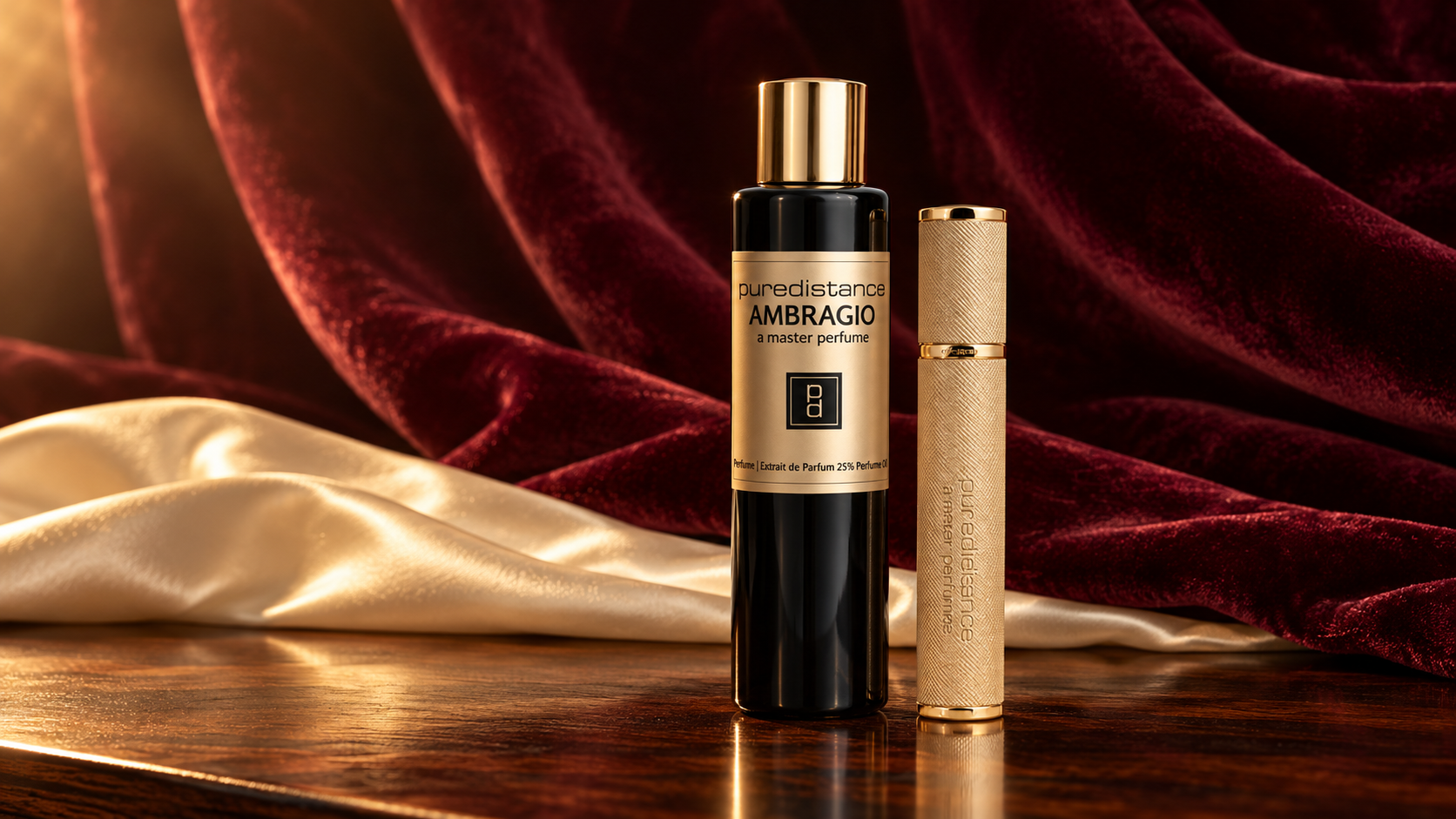
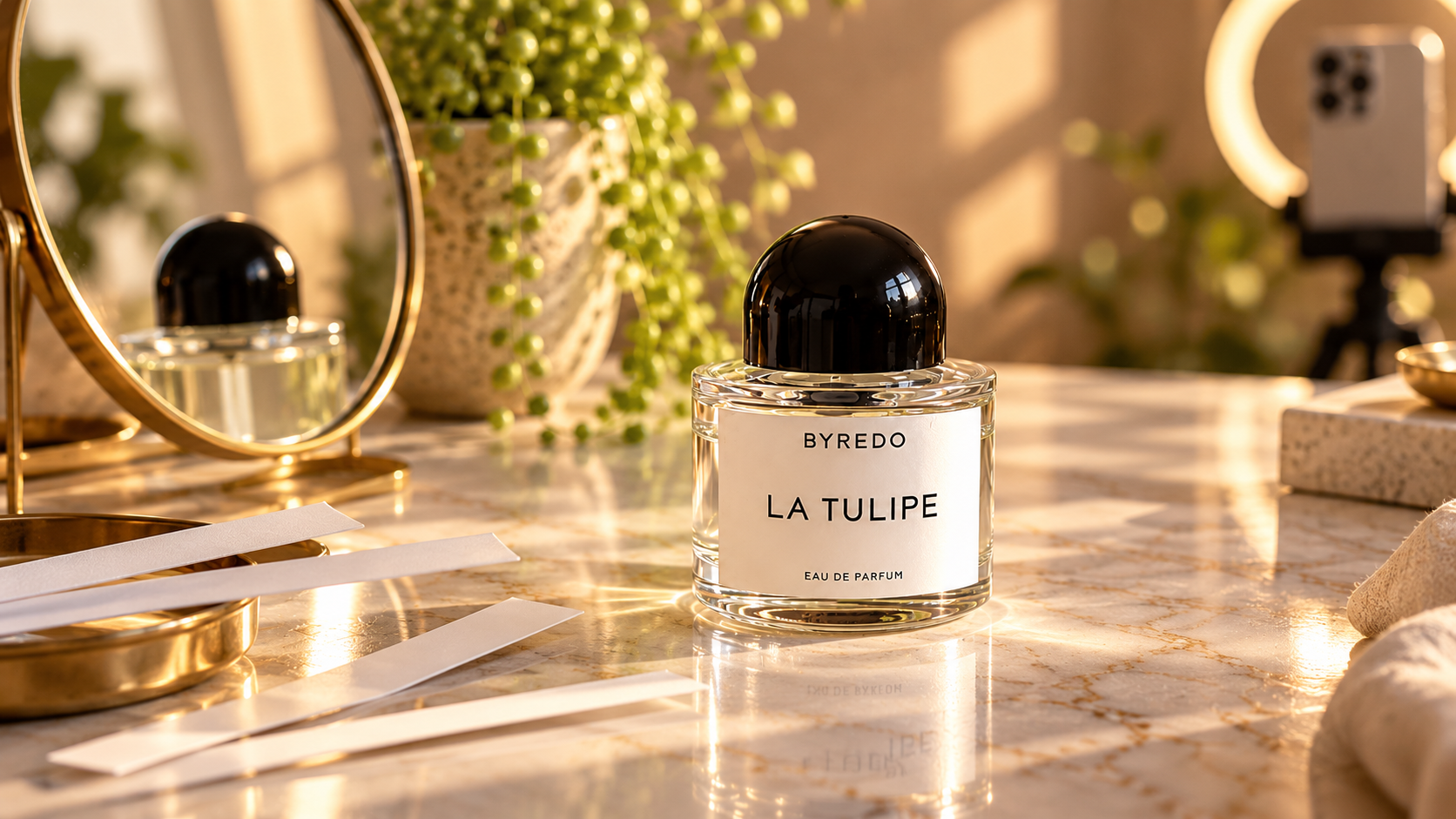
Perfume is where this becomes personal for me. We praise fragrance for being discreet, staying close to the skin, and behaving itself, as if a beautiful composition should apologize for having a point of view. I like perfume close to my skin too, but I also want the freedom to wear something louder when the mood takes me. Sometimes I want a scent that gets a question, starts a conversation, or simply makes me feel like I have arrived.

There are days for a soft musk and days for Guidance, Nuit de Bakélite, or 1992 Purple Night, each with a personality I can recognize across a room. I love that perfume lets me choose which version of myself I feel like wearing. Layering is part of that fun: I can put two scents together, see what they do, and decide that the result is mine. No committee needs to approve the combination.
Yes, context matters. I am not trying to fog an elevator or make a dinner table suffer through my perfume. Good manners are real, and so is the pleasure of wearing something with presence. I don’t want to measure every fragrance by whether every person nearby approves of it. Sometimes I want a loud perfume. Sometimes I want people to notice.
A Maximalist Life, On Purpose
For me, maximalism reaches beyond what I wear. It is setting the table because I want dinner to feel special, collecting things that give me pleasure, and putting care into how I show up. It is letting color, fragrance, conversation, and effort be part of an ordinary day. I want a life that feels chosen, not edited for an audience of people who may not even be paying attention.
I am 54. I want to wear the color, layer the perfume, make the entrance, and enjoy the whole thing. I don’t care what everyone thinks anymore, and I am not going to keep checking the room for permission. If you don’t notice me, that’s your loss.
Further reading on Elevated Classics: Can People Smell Your Social Class?







Leave a Reply