

In nineteenth-century France and Britain, the perfume a woman wore could invite judgments about her respectability. We have abandoned many of those social rules, but our habit of judging people through fragrance is proving harder to shake.
I started researching the perfumes associated with nineteenth-century courtesans expecting to find a wonderfully scandalous piece of fragrance history: famous women, notorious affairs and the scents they wore. Surely, among the countless accounts of their lovers, wardrobes and extravagant lives, someone had recorded their favorite perfumes. Instead, I found remarkably little reliable evidence of what many of these women actually favored, and an extraordinary amount of material devoted to what respectable women should smell like. Society seemed rather more interested in judging women’s fragrance choices than recording them.

The instructions were surprisingly precise. In the 1893 English edition of The Lady’s Dressing Room, French etiquette writer Baronne Staffe advised women to avoid overpowering fragrances in favor of those that were light and delicate. She recommended selecting a single perfume and remaining faithful to it, scenting everything from clothing and stationery to the cushions of one’s carriage. There is something wonderfully contradictory about a woman being encouraged to perfume practically everything she owned while maintaining an appearance of discretion. Apparently, good taste required an entire scented household, provided the fragrance itself behaved appropriately.

In Victorian Britain, certain perfumes acquired reputations that went well beyond their ingredients. Catherine Maxwell’s research into Victorian perfume culture identifies violet as a fragrance associated with refined femininity, while heavier perfumes such as frangipani, opopanax and patchouli could suggest associations with the demi-monde. These were the sorts of fragrances etiquette writers might discourage, yet opopanax remained enormously popular among fashionable consumers. A perfume could apparently be desirable and disreputable at the same time, depending on who was wearing it.

Patchouli offers perhaps the most revealing example of how a fragrance could gain or lose social standing. In the nineteenth century, its scent was associated with expensive Kashmir shawls arriving in Europe from India. Dried patchouli leaves were used to protect the textiles during transport, leaving their distinctive earthy aroma in the fabric. The shawls became coveted luxury objects, and their fragrance acquired some of the same prestige. Master perfumer Jean-Claude Ellena recounts this history in his reflections on patchouli. Yet as the material became more accessible, its social reputation deteriorated. The scent that had once suggested fashionable wealth also acquired associations with sexual impropriety and women outside conventional respectability.
I find that extraordinary. Patchouli had not suddenly become an inferior material. Its earthy, camphoraceous character remained recognizable. What changed was its availability and the people society imagined wearing it. A fragrance could lose its prestige by becoming too popular, something the modern perfume industry might find uncomfortably familiar.
The price of smelling respectable
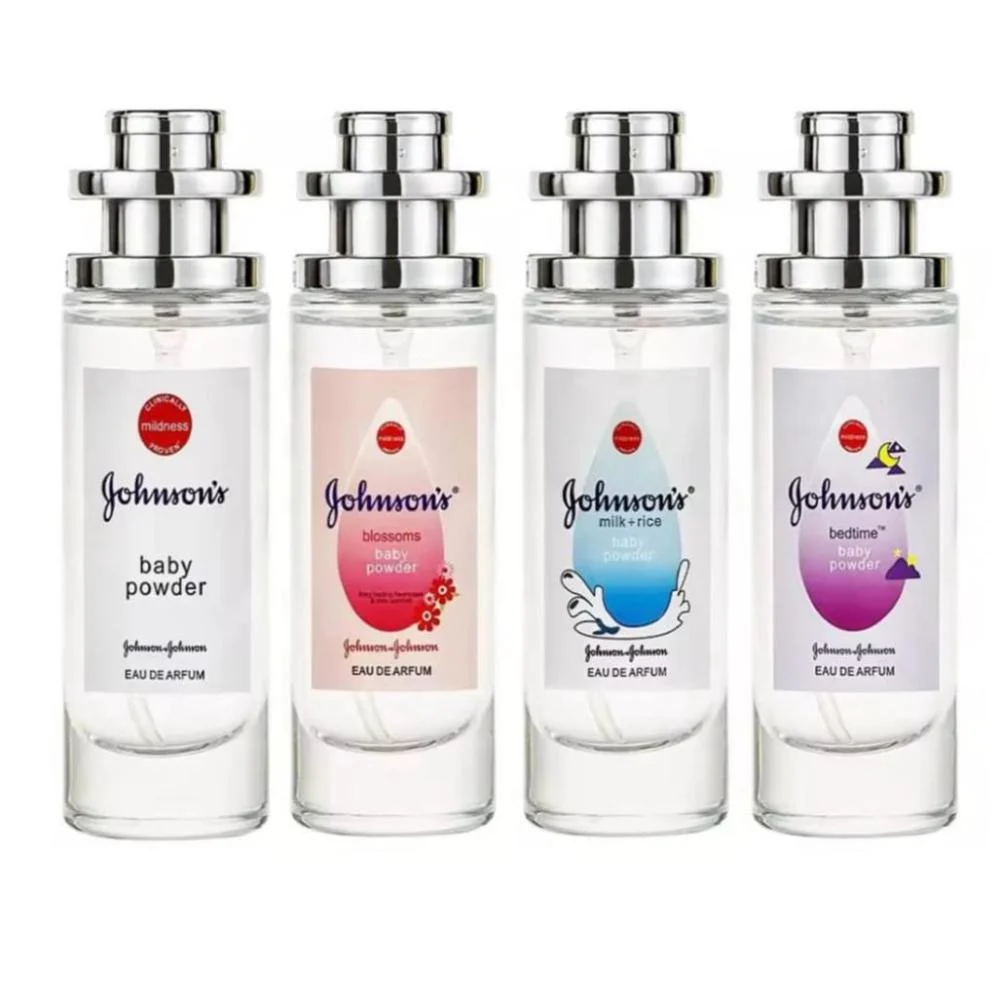
Spend enough time among perfume enthusiasts and you will hear an astonishing collection of social descriptions masquerading as fragrance criticism. Perfumes smell rich, cheap, vulgar, classy, juvenile, seductive or old-fashioned. We assign fragrances to wealthy divorcees, sophisticated executives, grandmothers and women of supposedly questionable taste. A sweet gourmand becomes childish, a powdery floral becomes an old woman’s perfume, and a powerful white floral is suddenly too provocative for polite company. When did describing a perfume become an exercise in inventing the person who wears it?

There is research behind our tendency to make these associations. In a 2018 study published in American Sociological Review, sociologist Karen A. Cerulo conducted blind smell tests using commercially marketed perfumes. Without access to packaging or advertising, participants were often able to identify the consumers and settings manufacturers intended their fragrances to evoke. Their interpretations also reproduced social distinctions involving class and race. People were drawing on cultural expectations to make surprisingly specific assumptions about the people who might wear a particular scent.
This brings me to one of the most casually repeated expressions in perfumery: “smells expensive.” I used to say it myself, but I have stopped. The more I considered the expression, the less comfortable I became with it. What was I actually recognizing? Exceptional ingredients, skilled composition or simply something that reminded me of a luxury hotel, an elegant boutique or a particular idea of wealth? I have smelled extraordinarily expensive perfumes that were thoroughly ordinary and considerably less expensive fragrances that demonstrated remarkable artistry. Yet we continue to use price as an aesthetic description, even when we know almost nothing about the cost or construction of the formula.
The opposite judgment bothers me even more. When someone describes a perfume as cheap or vulgar, how much of that assessment concerns its composition and how much concerns the people they associate with wearing it? If we can recognize beauty in a perfume without knowing its price, surely we should be able to criticize one without passing judgment on its audience.
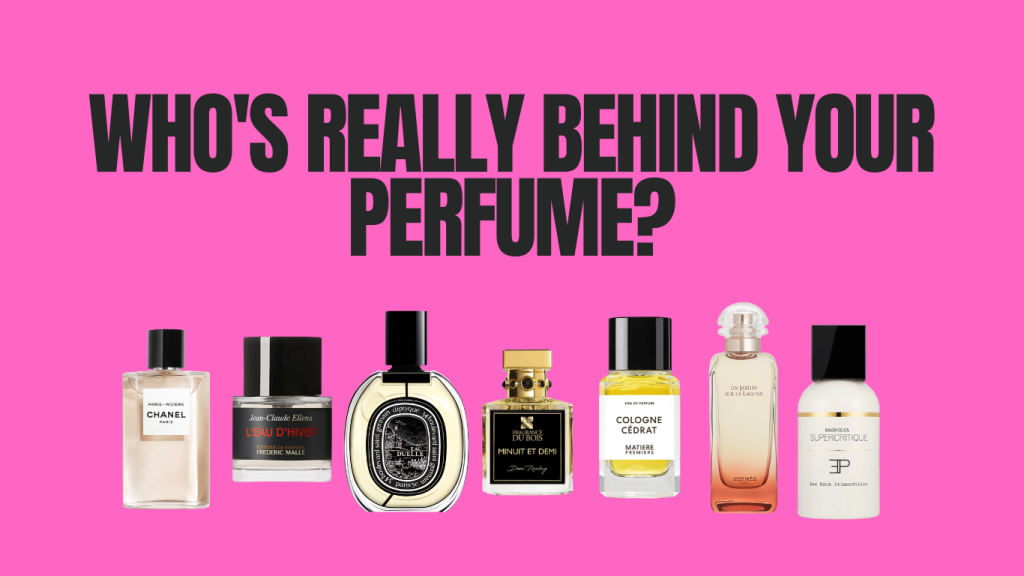
Our industry has developed a particularly elaborate version of this thinking around niche perfumery. I regularly encounter the suggestion that people graduate from designer fragrances to niche, as though appreciating an obscure perfume house demonstrates greater sophistication than wearing Gucci, Prada or Armani. I find the premise absurd. Some of the world’s most accomplished perfumers have created fragrances for major designer houses, often working with considerable technical resources. Limited distribution is a commercial characteristic, not a certificate of artistic merit.

I care enormously about craftsmanship, originality and the people responsible for making our perfumes. I want to know who composed a fragrance, which laboratory developed it, how its materials were handled and whether the finished work justifies its ambitions. But knowledge should improve our appreciation of perfumery. It should also give us enough confidence to recognize a beautiful fragrance without first consulting its price, its distribution network or its reputation among collectors.
Sociologist Pierre Bourdieu devoted much of his influential Distinction: A Social Critique of the Judgement of Taste to examining how cultural preferences reflect social position. The ability to recognize, appreciate and discuss certain things can become a marker of education and belonging, while excluding those who lack the same cultural knowledge. Perfume enthusiasts have developed their own version of this system, complete with prestigious houses, approved tastes and an unspoken hierarchy of sophistication. We might like to think of perfume as an intensely personal pleasure, but there is nothing particularly private about the standards by which we judge one another’s choices.

None of this means we cannot dislike a fragrance or question its quality. A perfume can be badly balanced, unimaginative, unpleasant or simply incompatible with our preferences. Excessive application can also be inconsiderate in shared spaces. But criticism takes on a different character when we move from discussing what a perfume smells like to questioning the sophistication of the person who chooses to wear it.
That was ultimately the most interesting discovery in my search for the perfumes of courtesans. I began hoping their fragrances might reveal something intimate about these extraordinary women. Instead, I found a society whose opinions about women’s perfumes revealed a great deal about its anxieties concerning class, sexuality and respectability.
We may find the judgments of nineteenth-century etiquette writers antiquated, even amusing. Yet we remain surprisingly confident in our ability to identify wealth, taste and social standing through scent. We have become more comfortable presenting those assumptions as matters of personal preference, but I wonder how much of the old prejudice survives beneath the language of sophistication.




Leave a Reply