
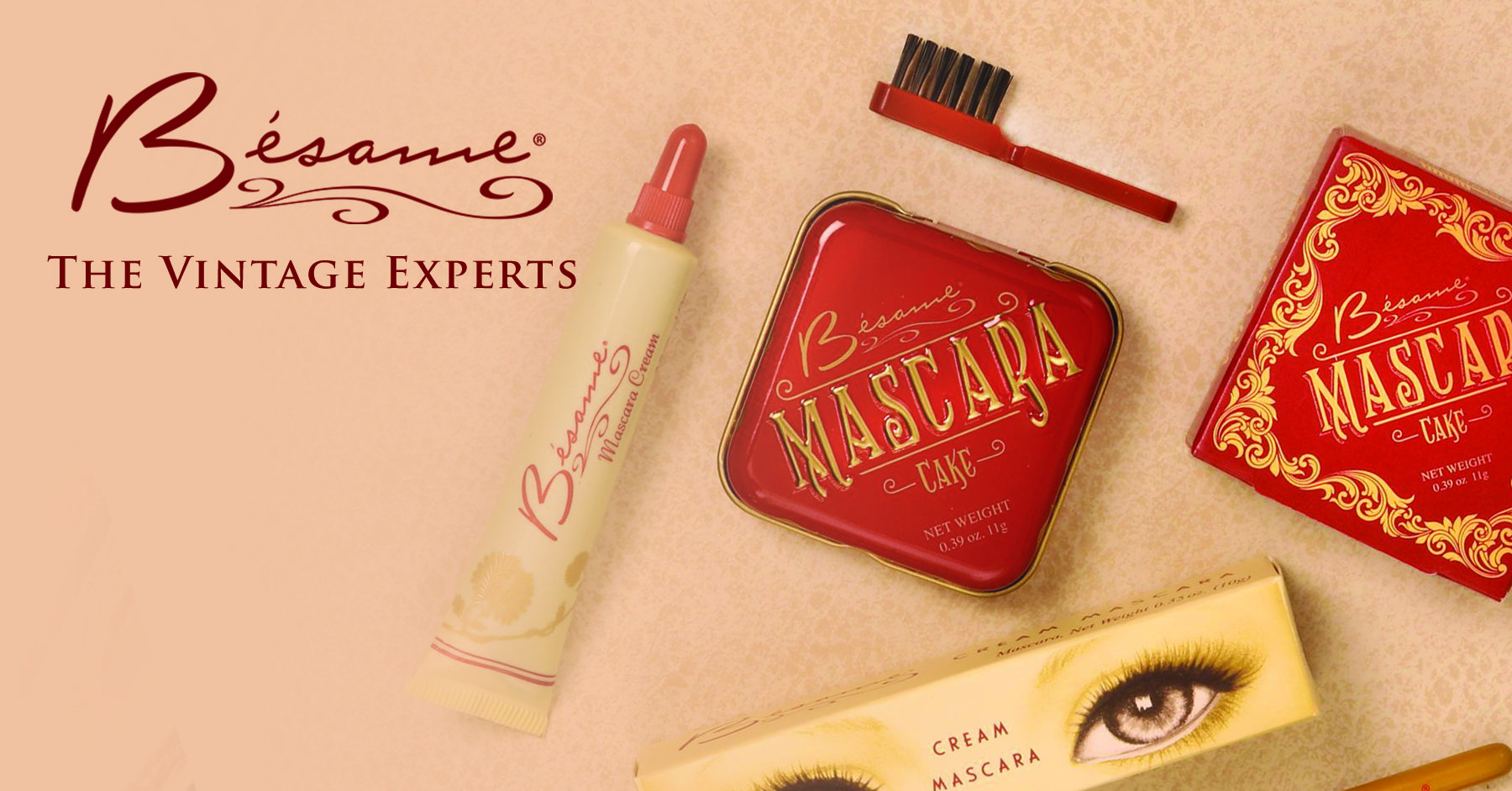
I noticed it one morning while getting ready, the way you notice silence after music has stopped. Everything was in place. Brushes, creams, lipsticks lined up exactly as they always had been. The only thing missing was the air itself.
When I was younger, getting ready had a scent. Not perfume layered on top, but the scent of the products themselves. Face creams that opened with rose. Foundations that carried that unmistakable cosmetic warmth. Lipsticks with violet and iris woven into them so delicately you did not think about it, you simply lived inside it.
My favorite was Chanel Shimmering Lip Gloss in a tiny square mirrored compact. A translucent pink gel, almost clear, that gave the lips a soft shine without weight. When you opened it, a gentle rose rose from the surface. Clean, elegant, unmistakably Chanel. I kept it in my bag for years. The compact itself was part of the ritual. A quick glance in the mirror, a sweep of gloss, the faint rose lifting and settling again. That scent turned an ordinary moment into something private and composed.

I have never stopped thinking about it.
What I remember most about beauty in those years is the atmosphere it created. A dressing table carried its own quiet aura. Powder released iris into the air when a brush touched its surface. Lipsticks carried a faint floral sweetness that lingered on the mouth. Creams brought rose and almond and sometimes a whisper of orange blossom. These were not loud fragrances competing with perfume. They were integrated into the objects themselves, part of their identity. Applying makeup felt like stepping into a small, scented world that belonged only to you.
That world changed slowly, and then all at once.
Over the last twenty to thirty years, the fragrance built into cosmetics and skincare has been systematically removed. A relatively small percentage of consumers developed sensitivities to certain fragrance ingredients. Dermatological research began linking fragrance to contact dermatitis and irritation. European regulators, followed by others, introduced stricter disclosure and limits on dozens of fragrance compounds. Labels expanded. Compliance became complex. Brands faced the possibility of lawsuits and public backlash if even a tiny number of users reacted badly.

At the same time, beauty entered its clinical era. Dermatologist-founded brands rose to prominence. The language of skincare shifted toward treatment, repair, barrier function, and sensitivity. “Fragrance-free” moved from a niche requirement to a universal selling point. Clean beauty reinforced the idea that scent was unnecessary, even suspect. The safest path for global brands became obvious. Remove fragrance wherever possible. Neutralize the experience. Avoid risk.
It was a rational decision. It was also a sweeping cultural one.
In accommodating a minority of highly sensitive users, the entire sensory landscape of beauty changed for everyone else. Products became more functional, more standardized, more universally acceptable. They also became quieter in a way that had nothing to do with elegance. The scented dimension that once shaped the mood of getting ready disappeared from daily life.
No announcement marked the shift. No one declared that makeup would no longer carry its own aroma. It happened formula by formula, reformulation by reformulation, until one day you opened a new compact and there was nothing there.

I find myself searching for it constantly. In department stores, I test lipsticks not only for color but for scent. I open compacts and lean in slightly, hoping for rose or violet or iris to meet me. I want makeup that smells like makeup. Not heavily perfumed. Not overwhelming. Just that soft cosmetic signature that once connected every product on a dressing table into a single sensory experience.
There are small signs of return. Fragrance as a category has surged back into cultural focus. People speak about scent with fluency and desire. A few makeup brands have begun to reintroduce gentle aroma into lip products or powders, carefully dosed and formulated within modern regulations. Nothing like the past yet, but enough to suggest a renewed understanding that beauty is experienced through more than sight and texture.
What I hope comes back is not excess. The idea that opening a compact can shift the mood of a moment. That a gloss can carry a trace of rose that lives only for the seconds it touches air. That getting ready can feel like entering a personal space shaped by scent as much as by color.
I still think about that Chanel gloss. The translucent pink gel. The mirrored compact. The rose that rose and disappeared again. It represented a time when beauty objects carried their own atmosphere and offered it quietly to the person holding them.
I miss that world. And I suspect many others do as well. Do you?





Leave a Reply