

This piece is a direct response to Cat Zhang’s article, “Perfume Culture Is Starting to Stink,” published on The Cut.
The Real Problem Isn’t Perfume Popularity, It’s Industrial Opportunism Disguised as “Art”
Perfume becoming more popular isn’t a problem. Nobody flinches when someone owns five pairs of jeans or cycles through three different moisturizers. So why are we clutching our pearls over people owning ten bottles of perfume?

The real issue isn’t that fragrance has gone mainstream, it’s that the fragrance industry has become a gold rush. Ever since the pandemic, the rise of GLP-1 medications usage, and the explosion of scent content on TikTok, perfume has gone from private pleasure to public obsession. And where there’s demand, there’s exploitation.
Everyone Wants to Build a Niche Fragrance Brand, Few Understand What That Actually Means
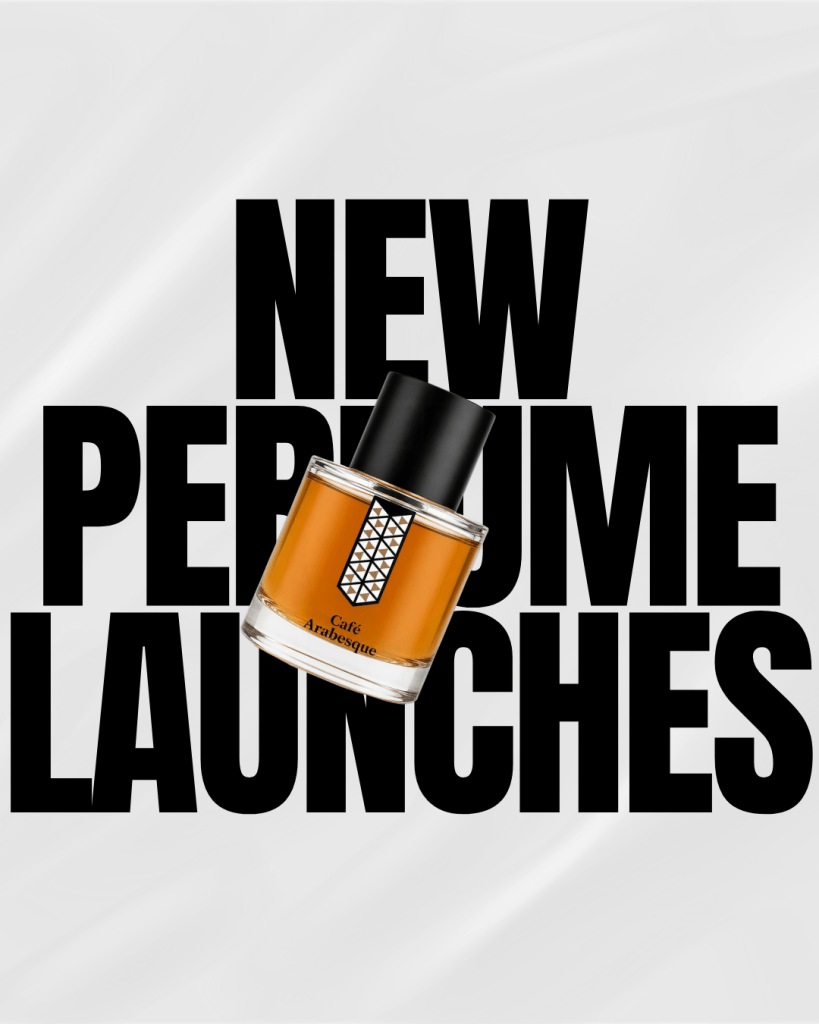
Legacy fragrance manufacturers like Givaudan, Firmenich, and Symrise are getting hit with a flood of briefs from entrepreneurs who don’t know top notes from topcoats. The dream? Slap a moody label on a premade base, write a romantic paragraph about “childhood memories in a hidden rose garden,” and pitch it to Sephora or Harrods as niche.
Meanwhile, AI is stepping in, not to deepen artistry, but to meet deadlines. This is why we’re seeing:
- Over 4,000 fragrance launches per year globally (up from under 500 in the ‘90s)
- A wave of “fake niche” brands hoping to get scooped up by LVMH, Estée Lauder, or Puig
- Founders with no perfumery background who rely on stock formulas and brand copy to fill in the gaps
- Designer brands flooding shelves with flankers, rushing to market with hopes that if it worked once, it might work again

At a glance, it may look like innovation. But dig deeper and it’s just recycled scent profiles wearing new clothes.
And let’s not ignore the most obvious red flag: how can a perfume launch as a luxury exclusive, only to show up on the grey market at 40% off within a month? What’s being marketed as “niche” which used to mean limited production and craftsmanship, is often mass-produced like a Nike sneaker.
Now we’re seeing a wave of perfume lovers, well-meaning, maybe, but often with zero training, no background in chemistry, and no real safety oversight, jumping on the bandwagon to start brands of their own. On the surface, it might look like democratization. But what’s actually in these bottles? These are substances we spray on our skin, inhale, and absorb into our bodies. When the barrier to entry is so low, safety becomes a real concern.
Dupes and International Copycats Are Cluttering the Market
Dupes used to be a side conversation. Now they’re leading the charge.
Middle Eastern and Chinese brands, some brilliant, many opportunistic, are flooding the shelves and online carts with lookalikes, clones, and scent-alikes. Brands like Dossier, Oil Perfumery, and every Alibaba perfume exporter with a French-sounding name are pumping out products monthly, riding trends before they even peak.

The result? The market is saturated, consumers are confused, and the distinction between artistry and algorithm is blurring fast.
The Stakes Are Higher Than Ever, and Scent Is Suffering
Here’s what’s really happening behind the scenes:
- Perfumes are less potent. Whether it’s due to IFRA restrictions, cost-cutting on raw materials, or skipping proper maceration, formulas are getting thinner and flatter.
- Exclusivity is disappearing. Not because people love perfume, but because marketers treat it like merch.
- Artistry is on life support. Budgets go to branding. Not to perfumers, not to sourcing, not to aging, and certainly not to transparency.
And the saddest part? Consumers aren’t being taught anything. There’s no reverence for the craft, no education around ingredients or process. Just endless carousel videos and AI-generated scent descriptions that sound like Mad Libs.
The dream of perfumery, its history, its chemistry, its emotional power, is being flattened into fast-moving product.
It’s Not Consumer Culture That Stinks, It’s Corporate Exploitation Masquerading as Creativity
Perfume doesn’t need to be mysterious or elitist. But it does need to be respected.
That means supporting vertically integrated brands who grow, distill, and formulate with integrity. It means crediting perfumers, explaining maceration, talking openly about sourcing and sustainability. It means treating fragrance as more than just a product to monetize.

We don’t need less interest in perfume, we need more intelligent interest.
Because let’s be clear: perfume culture isn’t stinking up the room. The corporations are.
And to the media outlets that keep blaming ‘the boys on TikTok’ or ‘social media hype’, no, that’s not the problem. The problem is opportunists posing as entrepreneurs and corporations doing exactly what they were built to do: make money. And you can’t even fully blame them. It’s in their DNA.
And if you’re reading this thinking, “Wow, this sounds a little anti-perfume hype,” I’m not anti-hype. I’m anti-bullshit. That means cutting through the noise, calling out what’s lazy, and standing up for the people who actually care about what they’re making. I’m here for the truth, for the craft, and for the people doing it right.





Leave a Reply