
How a moth repellent from India became the scent of desire, rebellion, and luxury.
When Serge Lutens released Bornéo 1834, he wasn’t simply naming a perfume. He was marking a moment in perfume history. The number points to the year patchouli arrived in France, carried along colonial trade routes from the East Indies.

In the 1800s, Indian shawls, the prized pashminas of Paris, were packed with dried patchouli leaves to repel moths. When women unwrapped them, the scent that drifted out became proof of authenticity. The smell of faraway markets clung to the silk and soon to the imagination of Europe.
Within a few decades, perfumers in Grasse were distilling patchouli oil themselves. What began as packaging material became one of perfumery’s most enduring signatures.
From Textile to Totem
Patchouli’s rise in Europe was inseparable from empire. Ships traveling between India, Borneo, and Marseille carried not only spices and fabrics but also scent. To 19th-century France, patchouli represented the exotic, earthy, sensual, and foreign. It became the perfume of colonial Paris, a mark of privilege and distance.

The oil comes from the leaves of Pogos tenon cablin, a plant in the mint family with an unmistakable scent: earthy like damp soil, smoky like aged wood, slightly sweet, with a trace of cocoa and leather. Its key molecule, patchoulol, acts as a fixative that gives perfume its depth and endurance.
How It Shaped Modern Perfumery
Patchouli has been reinvented in every era.
1920s: It structured the smoky vanilla of Guerlain’s Shalimar.
1970s: It embodied the free-spirited sensuality of Reminiscence Patchouli.
1990s: It powered the gourmand revolution of Mugler’s Angel, turning sweetness into statement.
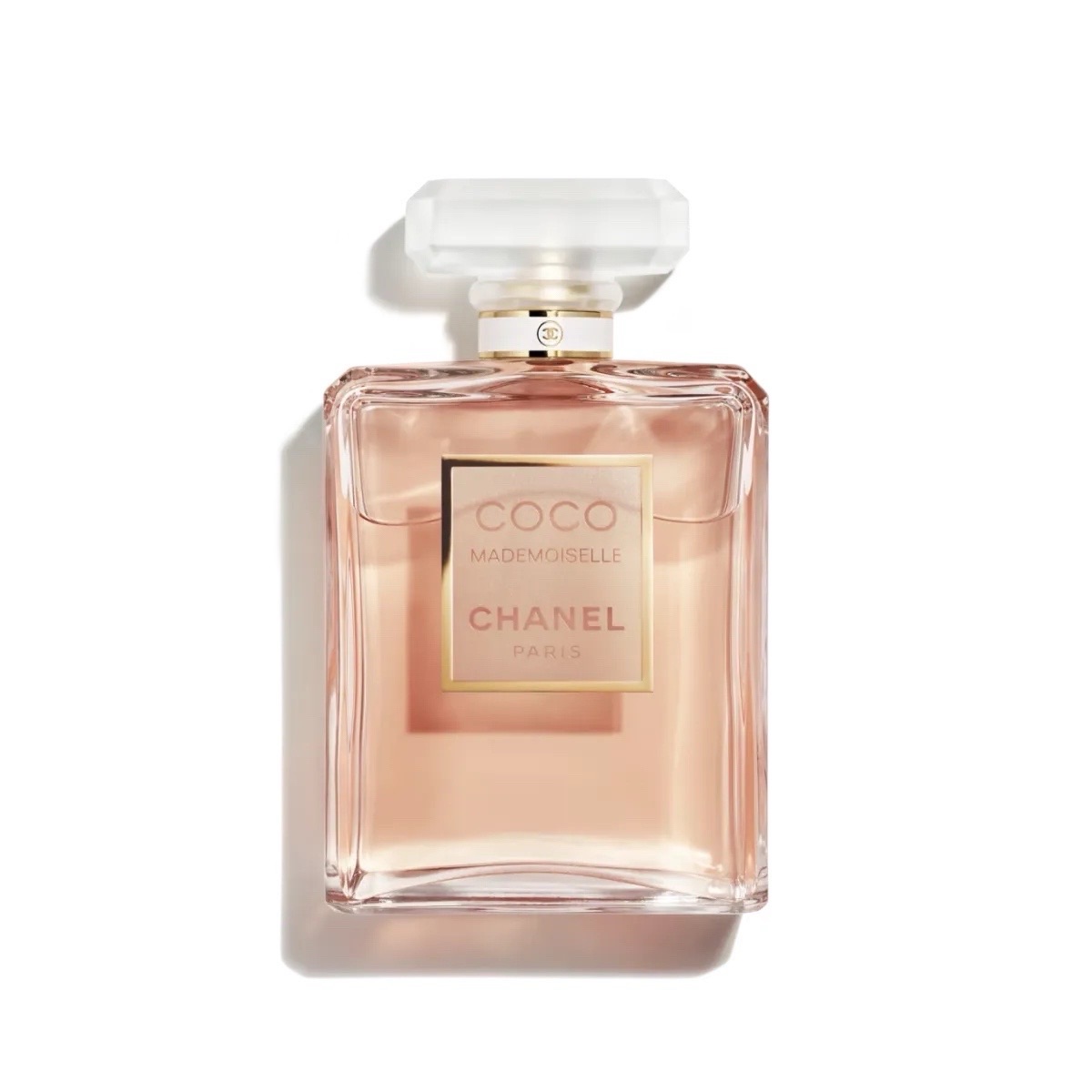
2000s: Purified into “patchouli cœur,” it resurfaced in Chanel Coco Mademoiselle, modern and precise.
2005: Bornéo 1834 reimagined it as literature, dense, humid, and darkly elegant.
Each version reflects its time: colonial fascination, bohemian freedom, or the polished confidence of modern luxury.
The Human Cost Behind the Aroma
Today, Indonesia produces nearly 90 percent of the world’s patchouli oil, mostly in Sulawesi, Sumatra, and Java. The crop supports thousands of smallholder farmers who harvest and distill it in wood-fired stills. Work is divided within families, men tend the fields and distillation, women dry and sort the leaves.
Patchouli farming is both livelihood and risk. Forest edges are often cleared for new plots, and wood for distillation adds to deforestation pressure. In mountainous areas, steep-slope planting has caused erosion and landslides. Droughts linked to El Niño cycles can devastate yields, triggering global price swings.

Large fragrances companies have introduced sustainability no programs, promoting efficient stills and agroforestry, where patchouli grows under shade trees instead of replacing them. These efforts help but do not solve the imbalance between the luxury price of the finished perfume and the reality of those who grow its source.
Patchouli and the Politics of Scent
Patchouli carries the history of trade, rebellion, and reinvention. In the 1960s, it became a countercultural emblem, worn in defiance of establishment polish. In the early 2000s, it returned to perfumery’s center as a symbol of refined sensuality.
Each revival says something about power: who defines beauty, who produces it, and who profits from it. Patchouli is more than a note. It is an index of global exchange, connecting farmers in Sulawesi to perfumers in Paris and consumers across the world.
The Weight of Beauty
Patchouli has never been a polite ingredient. It smells of soil after rain and of the hands that gather it. It carries fabric, travel, and memory within its scent. Beauty is never neutral; it arrives with context and consequence. When I wear Bornéo 1834, I catch all of that, the mixture of art and labor, of history and skin.
Do you like patchouli? What’s your favorite fragrance featuring patchouli?





Leave a Reply