

For perfume enthusiasts and novices alike, encountering the term chypre can feel like unlocking a secret code in the world of fine fragrance. Pronounced SHI-pruh (with the French “r” rolled softly at the back of the throat), this perfume family takes its name from the island of Cyprus, a historic center of trade and aromatic riches. But chypre is more than a name, it’s an olfactory philosophy, a testament to the power of contrasts in perfumery.
Chypre fragrances are celebrated for their intricate interplay of brightness and depth, weaving together fresh citrus notes, a floral or green heart, and a sensual, mossy base. They are perfumes that command attention, offering complexity, elegance, and a story that unfolds on the skin.
What Defines a Chypre?
At its core, a chypre composition is defined by its contrasting elements:
- Top Notes: The crisp sparkle of bergamot or other citrus oils sets the stage, creating an invigorating and radiant opening.
- Heart Notes: Floral notes like rose or jasmine, or occasionally green, spicy, or fruity elements, form the middle act, lending character and depth.
- Base Notes: Earthy oakmoss, resinous labdanum, and patchouli anchor the composition, giving it a velvety, lingering finish.
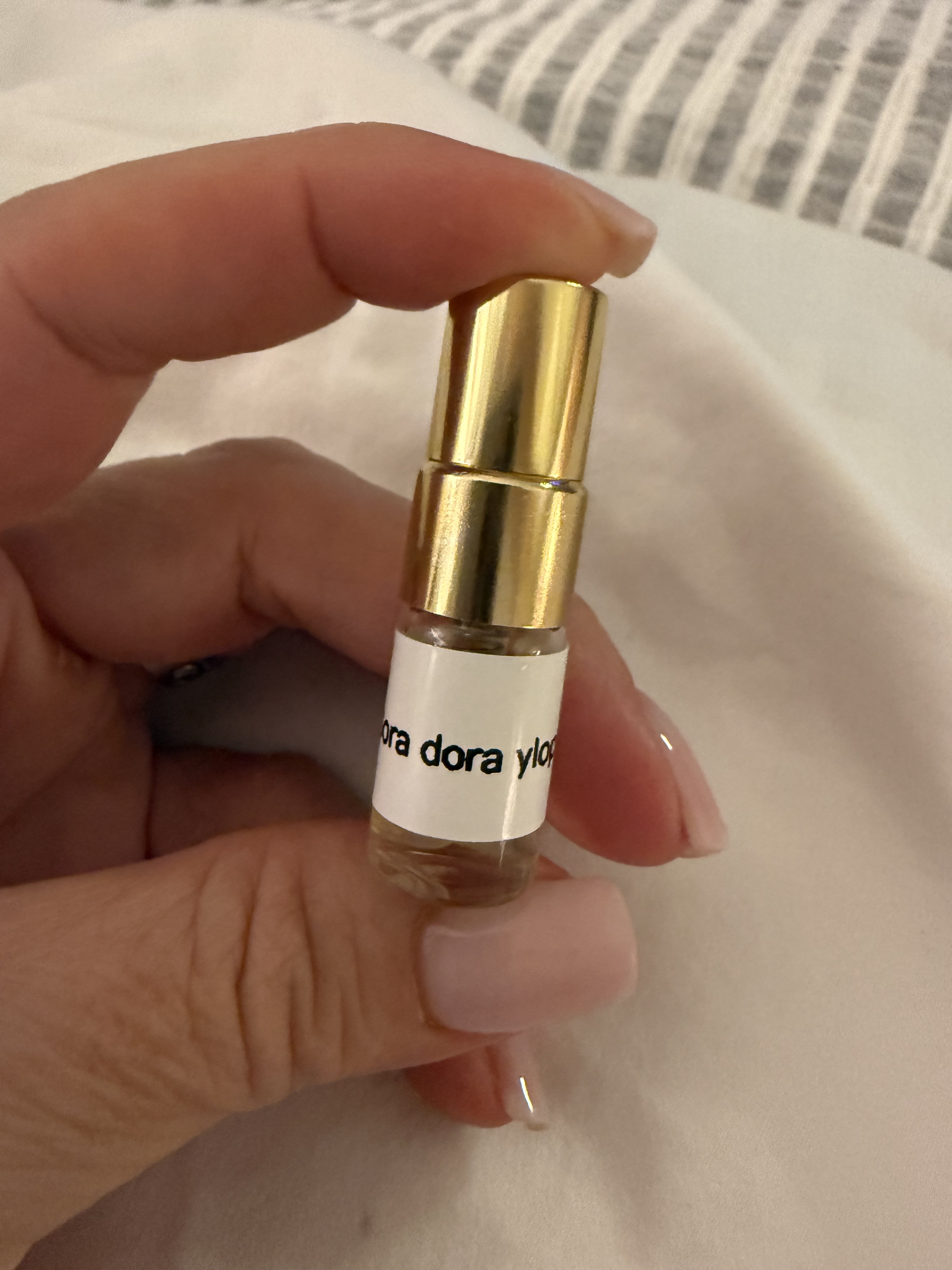
This tripartite structure is more than a formula; it is a symphony of contrasts, light and dark, fresh and deep. As Firmenich perfumer Dora Baghriche explains, “The freshness of the citrus and the mossiness of the woods is what makes the chypre category very unique and mysterious.”
The Birth of Modern Chypre

While the roots of chypre fragrances lie in ancient Cyprus, where oakmoss and labdanum were key materials in early perfumery, the modern chypre genre as we know it today was born in 1917. François Coty’s Chypre was a daring blend of bergamot, oakmoss, and labdanum, a composition that distilled the island’s aromatic heritage into an innovative, wearable form.
This scent was revolutionary, not just for its construction but for its influence. It inspired an entire category of fragrances, including Guerlain’s iconic Mitsouko (1919) and Dior’s Miss Dior (1947). These were perfumes that captured the elegance of their time, creating an enduring legacy.
The Evolution of Chypre: From Classic to Contemporary

Chypre fragrances thrived for much of the 20th century, associated with glamour, sophistication, and a certain European chic. However, regulatory restrictions on oakmoss in the 21st century forced perfumers to innovate. Synthetic alternatives like Evernyl (also known as crystal moss) were introduced, paving the way for “neo-chypres.” These modern interpretations often incorporate non-traditional notes, such as gourmand or fruity accords, to create fragrances that are both contemporary and true to the chypre spirit.
Examples of Modern Chypres:
- Chanel 31 Rue Cambon: A silk-like, modern chypre with patchouli and creamy iris.
- Yves Saint Laurent Mon Paris: A fruity chypre featuring berries and a mossy base.
- Armani Sí: A gourmand twist with blackcurrant and vanilla.
- Coco Mademoiselle: A sparkling, modern fruity chypre with vibrant citrus, elegant rose, and a sensual patchouli-vanilla base.
Why Chypres Matter in Perfumery
Chypres are often described as “perfumer’s perfumes.” They demand technical mastery and an understanding of balance, achieving harmony between contrasting elements without letting any one note overpower the rest.
Chypres also have a unique ability to evoke moods and eras. They are scents that whisper of 1930s soirées, where women in satin gowns clinked crystal glasses, or the smoky intrigue of noir films. This glamour is part of their enduring appeal.
For the wearer, chypres offer an intellectual experience. Unlike the instant gratification of fruity or gourmand scents, a chypre takes its time. It evolves on the skin, revealing layers that intrigue and invite contemplation.
Chypres to Explore

Whether you’re a seasoned aficionado or new to the fragrance world, exploring chypres is an invitation to discover the artistry of perfumery. Here are some classic and modern highlights:
- Guerlain Mitsouko: A fruity chypre masterpiece that blends peach, jasmine, and oakmoss.
- Coco Mademoiselle: A sparkling, modern fruity chypre with vibrant citrus, elegant rose, and a sensual patchouli-vanilla base.
- Dior Miss Dior (Classic): The quintessential floral chypre with an air of timeless femininity.
- Parfum d’Empire Azemour les Orangers: A salty, citrusy chypre that evokes a Mediterranean orchard.
- Floral Street Chypre Sublime: A vegan-friendly take on the classic, with green moss and floral nuances.
- Hiram Green Shangri La: A natural, contemporary chypre with a vintage sensibility.
Chypre perfumes are a celebration of contrast and complexity, blending brightness with depth in timeless compositions. Whether you love classics like Mitsouko or modern icons like Coco Mademoiselle, chypres offer a rich olfactory journey.
What are your favorite chypre fragrances? Let us know!








Leave a Reply