
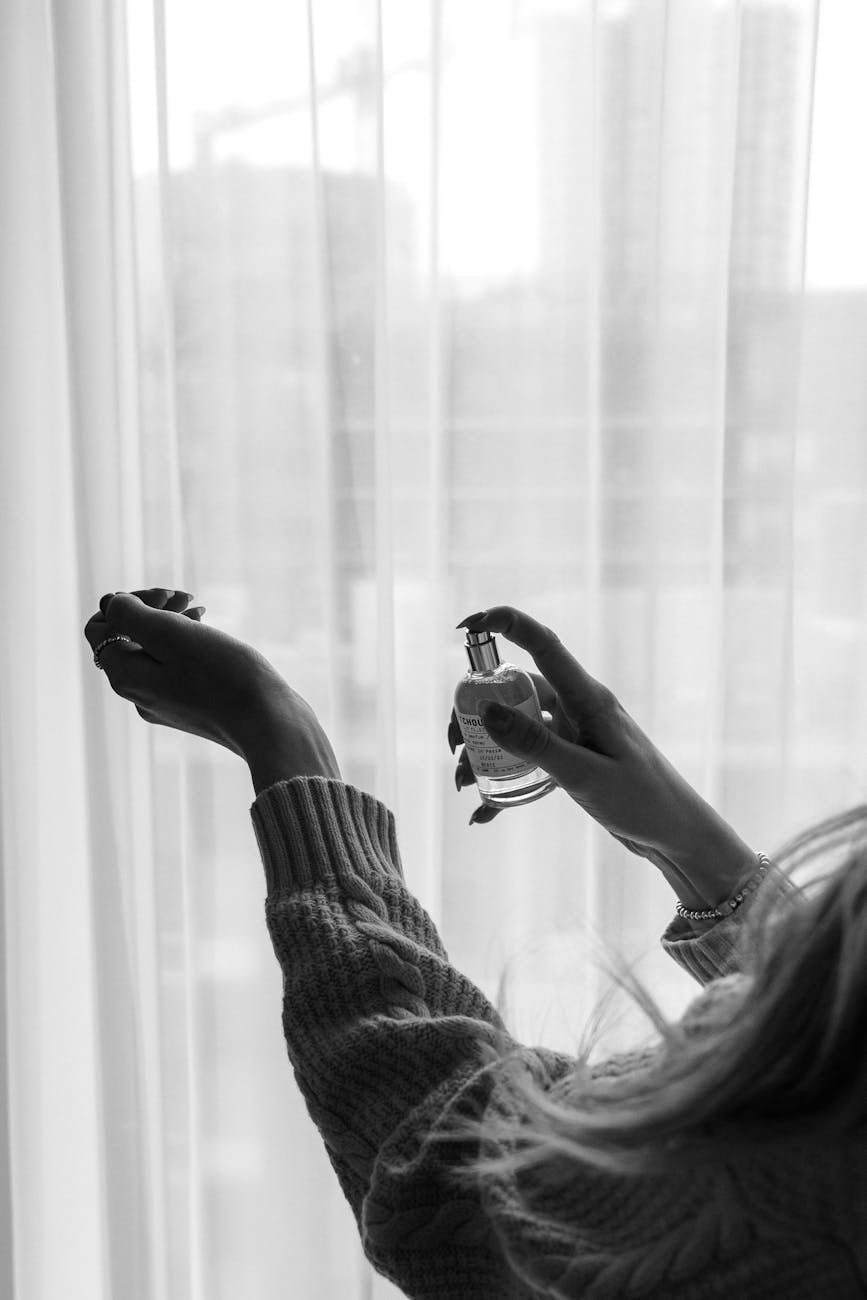
I’ve always been particular about my fragrances. As a collector and lover of perfume, I hold my scents to high standards: they should last, project, and envelop me in a beautiful scent bubble. Yet, despite my careful selection process, there was a time I’d occasionally return perfumes, thinking they didn’t meet those standards. They didn’t seem to last, or worse, I couldn’t smell them on myself. Only recently did I realize that the issue wasn’t with the perfumes, it was with me and how my nose adapted to unfamiliar scents.
This realization hit me during my experience with Fragrance du Bois Sirene, a cherry-dominant perfume unlike anything in my collection. I had never worn a cherry-based fragrance before, and on the first wear, I was convinced it lacked longevity. I could barely detect it on my skin, let alone in the air around me. For someone who enjoys being cocooned in a fragrance bubble, it felt like a letdown. Yet, something stopped me from returning it immediately, I decided to give it a few more days.
On day two, I started to catch occasional whiffs of the perfume. On day three, I found myself leaning into my skin, curious about the softer, subtler notes that were emerging. By day four, I was fully immersed in the scent. It was lasting. It was projecting. And I was firmly within my coveted scent bubble, savoring the cherry’s playful sweetness and the perfume’s deeper, more complex layers.

So what changed? The perfume didn’t suddenly get stronger or magically reformulate itself. Instead, my relationship with it deepened. It was my nose that learned to recognize it, a phenomenon rooted in how our sense of smell works.
The Science of “I Can’t Smell This Perfume”
When you try a new perfume, especially one with an unfamiliar scent profile, your brain may struggle to categorize and recognize it. This is because our sense of smell relies heavily on memory. We can detect scents similar to those we’ve encountered before, fresh florals, warm ambers, or gourmand vanillas, because our brains already have reference points for them. But when confronted with something new, like the unique cherry accord in Fragrance du Bois Sirene, it takes time for the brain to “learn” the scent and file it away.
Additionally, olfactory adaptation, or nose blindness, can make you temporarily immune to certain smells. If a fragrance’s opening notes are overwhelming or unfamiliar, your nose may “shut them out” to avoid sensory overload. Over time, however, your sense of smell adapts, and you start to notice the mid and base notes lingering on your skin.
Why Familiar Perfumes Seem to Last Longer
Interestingly, I’ve never had this problem with perfumes that align with my usual scent preferences. Chypres, warm florals, and musky woods? I can smell them immediately and fully appreciate their evolution throughout the day. That’s because my nose is already primed to detect those profiles. With unfamiliar scents, it’s a different story. It’s not that the perfume doesn’t last, it’s that my brain hasn’t yet learned how to fully experience it.
What I Learned from This Experience
The revelation was both humbling and eye-opening. I had returned perfumes in the past that may very well have had excellent longevity and projection, simply because I didn’t give my nose enough time to adapt. In retrospect, it makes me wonder what gems I might have dismissed too quickly.
Fragrance du Bois Sirene taught me the value of patience and persistence. By giving myself time to wear it over several days, I discovered a perfume that now feels like it belongs in my collection. Its cherry-forward profile, once faint and fleeting, now envelops me in a radiant, joyful bubble of scent, a perfect reminder of how our perceptions evolve.
Advice for Fellow Perfume Lovers
If you’ve ever thought a perfume didn’t last or project, especially when trying something new, consider these tips:
1. Wear it for several days. Give your nose time to adjust and learn the scent’s unique profile.
2. Layer and experiment. Spritz on pulse points, hair, or clothes to see if the fragrance behaves differently.
3. Take breaks. If you wear the same scent daily, take a day or two off to reset your olfactory senses.
In the end, I’ve come to see perfumes not just as static objects but as evolving artworks that unfold on the canvas of human skin. They don’t just adapt to us; we adapt to them, creating a relationship that’s as dynamic as it is deeply personal. And that, for me, is the magic of fragrance.








Leave a Reply