
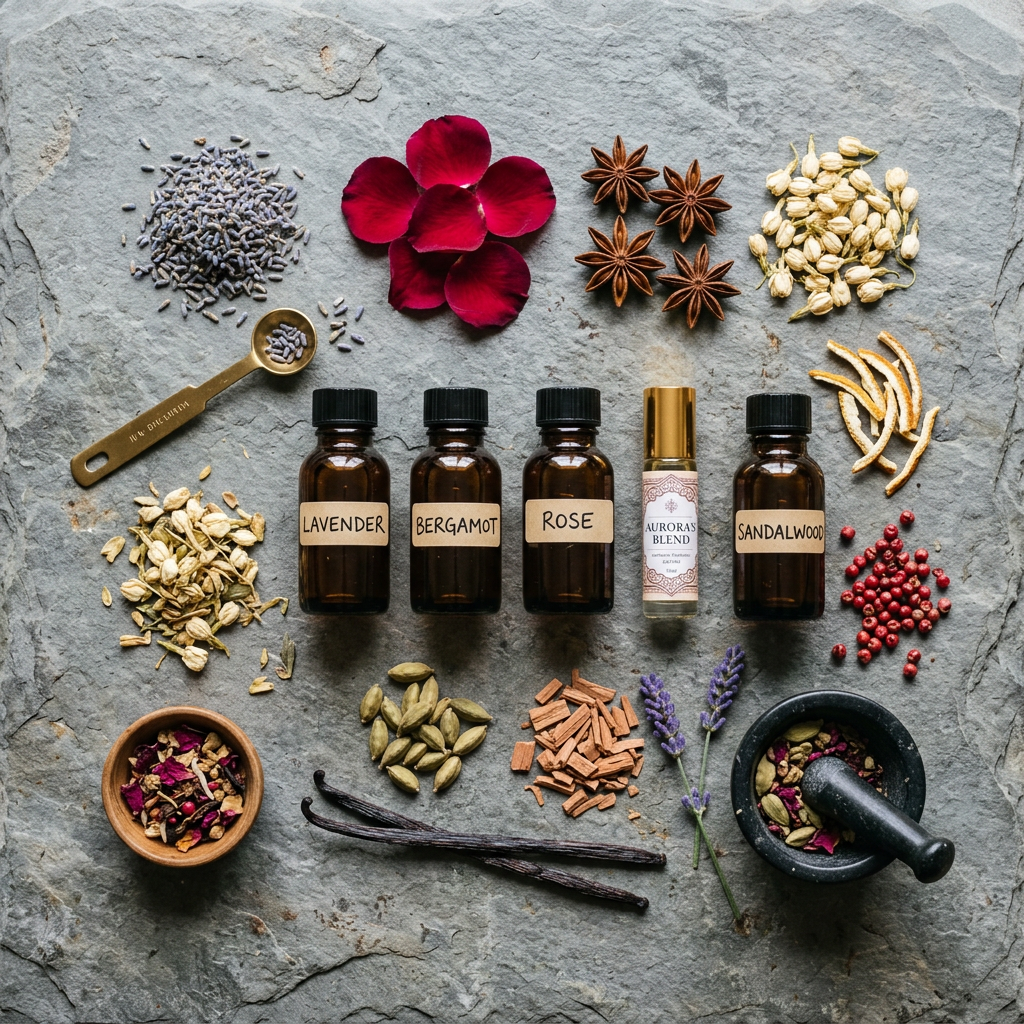
Perfume is supposed to be beautiful, but anyone who spends enough time smelling fragrance knows there is a strange little underworld of scent reactions. One person smells neroli and thinks of sunlight on white linen. Another smells the same thing and says, “public bathroom.” One person finds blackcurrant bud juicy and chic. Another says cat pee. A white floral can feel creamy, expensive, and sensual, or it can suddenly become mothballs, old vase water, or something uncomfortably bodily.
That is the funny thing about perfume. It does not only smell like flowers, fruit, woods, resins, and musks. It also smells like memory. It smells like hotel soap, baby wipes, hair salon shampoo, a damp basement, sunscreen, cough syrup, laundry detergent, old lipstick, gasoline, pencil shavings, or the restroom of a very nice restaurant.
These reactions are not always about poor quality. Some of the most expensive, technically sophisticated perfumes in the world contain materials that flirt with discomfort. Perfumery has always lived close to the body, and the body is not always polite. Flowers have indoles. Woods have dampness. Musks have skin. Citrus can turn sharp and cleaning-product fresh. Fruit can become syrupy, sulfuric, or strangely animalic.
The “ick” happens when a note crosses a personal line. It moves from beautiful to too familiar.
Neroli, Orange Blossom, and the Bathroom Problem
Neroli is one of the most beautiful materials in perfumery, but it is also one of the most commonly misunderstood. At its best, it smells bitter-green, radiant, Mediterranean, clean, and lightly floral. It has the brightness of citrus without smelling like lemon juice, and the elegance of white flowers without the heaviness of tuberose or jasmine.

But neroli and orange blossom also live dangerously close to soap. They appear in colognes, hand washes, hotel amenities, air fresheners, and expensive restroom products. That is why some people describe neroli perfumes as smelling like bathroom cleaner, public restroom soap, or fancy hotel handwash.
This does not make neroli bad. It means the note has a cultural memory. We have smelled it too many times in places associated with cleanliness. In the wrong formula, instead of orange trees in bloom, the brain goes straight to the sink.
White Musks and the Laundry Detergent Effect
White musks are meant to smell clean, soft, and comfortable. They give perfume that freshly washed, skin-close feeling. They can make a fragrance feel tender, modern, and easy to wear. They can also smell exactly like detergent.

This is one of the most common perfume complaints today, especially with clean-girl musks and soft skin scents. People will say a fragrance smells like laundry soap, dryer sheets, baby wipes, shampoo, or clean towels. Sometimes that is the entire point. The perfume is designed to smell immaculate, approachable, and freshly laundered.
The problem begins when the cleanliness feels too literal. Instead of smelling like skin, it smells like a product used to clean fabric. Instead of intimacy, you get the laundry aisle.
Cassis, Blackcurrant Bud, and Cat Pee
Cassis is one of those notes that can be gorgeous in the right hands. It can smell green, tart, fruity, leafy, and almost wine-like. It gives a perfume a dark berry brightness that feels more sophisticated than simple strawberry or raspberry. But blackcurrant bud has a notorious edge. Many people describe it as cat pee.

This comes from its sharp green, sulfuric, slightly ammoniac quality. In a small dose, that strange tension can make a perfume feel alive. It gives realism to fruit. It keeps sweetness from becoming flat. But when someone is sensitive to that facet, they cannot unsmell it. The whole fragrance becomes sharp, urinous, and difficult.
Grapefruit, passion fruit, guava, and certain tropical fruit notes can also have sulfuric edges. They smell juicy and realistic to some people, but eggy, sweaty, or sour to others.
Cumin and the Body Odor Reaction
Cumin might be the most dangerous spice in perfumery. It can make a fragrance smell warm, sensual, intimate, and human. It can give the impression of sun-heated skin. It can make a rose feel lived-in or an amber feel seductive, it can also smell like armpit.

When people say a perfume smells like body odor, sweat, unwashed skin, bad breath, or stale warmth, cumin is often one of the suspects. Certain musks, animalic materials, and indolic florals can create the same reaction, but cumin is especially famous for it. On the right skin, cumin can be sexy. On the wrong skin, it is a gym shirt.
White Florals, Indoles, and the Mothball Problem
Jasmine, tuberose, orange blossom, and ylang-ylang are some of the most glamorous materials in perfumery. They can smell creamy, luminous, narcotic, tropical, elegant, or deeply feminine. They can also smell dirty.

The reason is indoles. Indoles naturally occur in certain flowers, and they are part of what gives white florals their depth and sensuality. Without them, many floral perfumes would smell flat and decorative. With them, flowers begin to feel alive.
But indoles also exist in less romantic places. That is why some people describe big white florals as smelling like mothballs, old vase water, dirty diapers, decay, or overripe flowers. A little indolic quality can make jasmine breathtaking. Too much, or the wrong balance on someone’s skin, and the perfume starts to feel fleshy or stale.
This is why white florals are so personal. One woman’s creamy tuberose is another woman’s funeral home.
Oud, Leather, and the Barnyard Edge
Oud is one of the great luxury materials of modern perfumery, but it is also one of the most polarizing. Depending on the material and how it is used, oud can smell smoky, woody, medicinal, leathery, sour, animalic, or fermented.
This is why oud perfumes often trigger words like barnyard, stable, cheese, bandage, damp wood, fecal, medicinal, or wet dog.

To someone who loves oud, these qualities are part of its depth. They make it feel ancient, textured, and alive. To someone who does not like oud, the same perfume can smell like a leather jacket left in a damp horse stable.
Leather notes behave similarly. Birch tar, castoreum-style accords, styrax, cade, and smoky woods can create a beautiful dark polish. They can also veer into gasoline, rubber tires, ashtray, or burnt plastic.
Saffron and the Bandage Effect
Saffron is everywhere in modern perfumery, especially in radiant woody ambers, rose-oud structures, and expensive-smelling niche compositions. It gives a perfume a dry, leathery, slightly metallic glow. It can make a fragrance feel plush, modern, and luxurious.
But saffron has a very specific medicinal side. Many people describe it as bandage, iodine, latex, hospital, leather gloves, or antiseptic.

This is why some saffron perfumes feel chic and expensive, while others feel like a first-aid kit. The material itself has tension. It is warm but sharp, leathery but airy, luxurious but clinical. When balanced well, it gives lift and structure. When overdosed, it can feel sterile and strange.
Ambroxan, Amberwoods, and the Scratchy Modern Perfume Problem
A lot of contemporary perfumes rely on strong woody-amber materials for projection, diffusion, and longevity. These materials are useful because they make a fragrance radiate. They create that big, expensive, modern trail people often associate with niche perfume. But they can also be harsh.

When people describe a perfume as scratchy, synthetic, rubbing alcohol-like, pencil-shaving, plastic, aggressive, or like men’s cologne, they may be reacting to materials in the Ambroxan and amberwood family. Ambroxan itself can be beautiful: salty, musky, ambergris-like, clean, and radiant. But in high doses, or when paired with very sharp woods, it can become piercing.
This is one reason some modern niche perfumes feel strangely similar. Different brands, different bottles, different stories, but the same dry, radiating woody-amber skeleton underneath.
Iris, Violet, and the Makeup Bag Association
Iris and violet are among the most elegant notes in perfumery. They can smell powdery, cool, soft, cosmetic, woody, papery, or buttery. They bring refinement and texture. They are also strongly associated with makeup.
When people say a perfume smells like lipstick, face powder, old makeup, vintage handbags, or “old lady,” iris and violet are often involved, sometimes with aldehydes, rose, heliotrope, or musks.

Personally, I think “old lady” is one of the laziest perfume insults because it usually means the fragrance has structure, powder, florals, or a classical silhouette. But the association is real. For many people, powdery florals recall vanities, compacts, handbags, and lipstick tubes. Whether that feels glamorous or dated depends entirely on the wearer.
Vanilla, Almond, and the Play-Doh Problem
Sweet notes are not automatically easy. Vanilla, almond, heliotrope, tonka, cherry, caramel, and praline can be delicious. They can also become too literal.

Almond and heliotrope often trigger comparisons to Play-Doh, baby dolls, and vintage plastic toys. Cherry and almond can smell like cough syrup. Vanilla and caramel can smell like cheap candles, frosting, burnt sugar, or caramel popcorn. Coconut and tiare can smell like sunscreen. Pear, apple, peony, and freesia can smell like shampoo.
This is why gourmand perfumery is harder than it looks. Sweetness needs structure. Without contrast, it collapses into product memory: candle, candy, syrup, lotion, toy, shampoo.
Earthy Notes and the Damp Basement Problem
Patchouli, oakmoss, vetiver, oud, iris root, and certain mossy woods can give perfume depth and sophistication. They can smell like forest floors, wet leaves, soil, roots, old books, or polished wood. They can also smell like mildew.

People who dislike earthy notes often describe them as damp basement, old closet, mold, wet dog, dusty attic, or dirty soil. This does not mean the materials are crude. In fact, some of the most refined chypres and woody perfumes depend on this shadowy earthiness. But earthy notes can be unforgiving on skin. What smells elegant on paper can turn musty on a person.
The Five Main Families of Perfume Icks
Most perfume “ick” reactions fall into a few categories.
Clean notes can become detergent, bathroom soap, shampoo, baby wipes, or dryer sheets.
Green notes can become cat pee, crushed stems, bug spray, or sharp vegetable water.
White florals can become mothballs, old vase water, decay, or bodily warmth.
Animalic notes can become sweat, fecal, barnyard, wet dog, or unwashed skin.
Sweet notes can become candle, cough syrup, Play-Doh, frosting, or burnt sugar.
And this is why perfume is so personal. We are not all smelling the same thing in the same way. One person’s clean musk is another person’s detergent. One person’s sensual cumin is another person’s body odor. One person’s elegant neroli is another person’s bathroom soap.
The best perfumes often play near the edge of these associations. They take materials that could become strange, dirty, sharp, or too familiar, and they balance them into something beautiful. But when that balance fails, or when our own memory refuses to cooperate, the illusion breaks.
Suddenly, the orange blossom is not a flower. It is the soap in a restaurant bathroom. And once your brain goes there, good luck coming back.
The Perfume Ick Cheat Sheet
| If someone says it smells like… | The likely culprit |
|---|---|
| Cat pee | Cassis, blackcurrant bud, grapefruit, boxwood, sharp green sulfuric notes |
| Bathroom cleaner | Neroli, orange blossom, petitgrain, aldehydic citrus, clean cologne accords |
| Laundry detergent | White musks, clean musks, aldehydes, lily of the valley, fresh ozonic notes |
| Body odor | Cumin, animalic musks, costus-style accords, indolic jasmine |
| Sweaty skin | Cumin, ylang-ylang, jasmine, musks, certain amber accords |
| Mothballs | Tuberose, jasmine, orange blossom, indoles, old-school white florals |
| Dirty diaper / fecal | Indolic jasmine, civet, oud, castoreum-style accords, animalic florals |
| Barnyard | Oud, leather, civet, castoreum-style notes, smoky woods |
| Wet dog | Oud, patchouli, oakmoss, damp woods, certain musks |
| Damp basement | Patchouli, oakmoss, vetiver, iris root, mossy woods |
| Pickles / dill | Sandalwood, fig leaf, some green woody accords |
| Pencil shavings | Cedarwood, Iso E Super, dry woods, papyrus |
| Play-Doh | Almond, heliotrope, vanilla, tonka, cherry accords |
| Cough syrup | Cherry, almond, benzaldehyde, red fruits, heliotrope |
| Cheap candle | Vanilla, caramel, coconut, praline, berry accords, heavy sweet ambers |
| Sunscreen | Coconut, tiare, ylang-ylang, salicylates, solar florals |
| Bug spray | Citronella, lemongrass, lavender, eucalyptus, geranium |
| Bandage / hospital | Saffron, oud, leather, birch tar, clove, camphor |
| Blood / metal | Rose oxide, geranium, saffron, aldehydes, mineral musks |
| Gasoline / rubber tires | Birch tar, leather, oud, cade, smoky resins |
| Ashtray | Tobacco, birch tar, cade, smoke accords, vetiver |
| Old lipstick / makeup bag | Iris, violet, heliotrope, rose, aldehydes, powdery musks |
| Baby wipes | White musk, iris, heliotrope, orange blossom, lavender |
| Shampoo | Pear, apple, peony, freesia, white musk, fruity florals |
| Aquarium / fish tank water | Calone, marine notes, melon, cucumber, ozonic accords |
| Eggy / sulfuric fruit | Grapefruit, passion fruit, guava, mango, cassis, tropical fruit accords |
| Dusty attic / old books | Patchouli, oakmoss, iris, dry woods, leather, labdanum |





Leave a Reply