
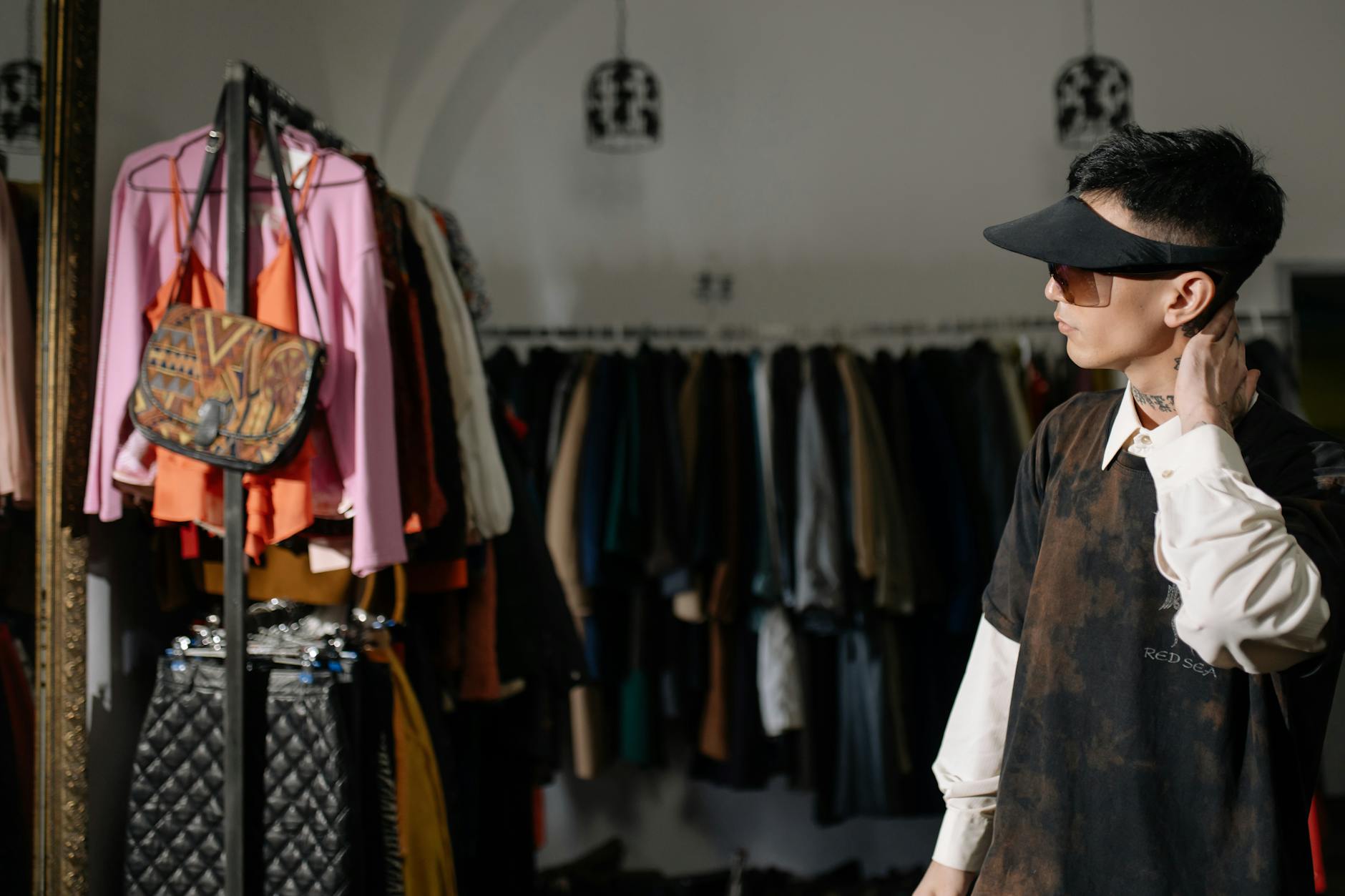
In today’s digital marketplace, the allure of acquiring luxury items at a fraction of their retail price is nearly irresistible. Resale platforms like The RealReal, Vestiaire Collective, and StockX have emerged as go-to destinations for fashion enthusiasts eager to access coveted pieces from brands like Louis Vuitton, Chanel, and Gucci, all at significant discounts. Yet, the promise of luxury for less often comes with hidden risks, as savvy shoppers are discovering to their detriment.
Resale platforms have become increasingly popular, especially among fashion-conscious consumers who seek high-end brands without the hefty price tag. These sites offer a wide array of luxury items, many of which are new, gently used, or even unworn. The appeal of scoring a deal with discounts as high as 40 percent can be hard to resist. However, beneath the surface of these enticing offers lies a complex web of risks. Despite the platforms’ claims of rigorous authentication processes, counterfeit goods continue to infiltrate the market, leaving unsuspecting buyers with products that are far from what they expected.

Consider the experience of Sarah, an avid collector of designer handbags. She came across what seemed to be a genuine Louis Vuitton bag on a well-known resale platform, offered at 30 percent off the retail price. Excited by the prospect of owning a luxury item at such a discount, she made the purchase without hesitation. It wasn’t until the bag arrived that she began to suspect something was amiss. The stitching was slightly uneven, and the material felt just a bit off. After consulting with an expert, Sarah’s fears were confirmed: the bag was a counterfeit, cleverly disguised to pass as the real thing. Despite the platform’s purported authentication process, the fake had slipped through the cracks, leaving Sarah both disappointed and out of pocket.
The challenge of spotting counterfeit luxury goods is one that even the most discerning shoppers face. The devil, as they say, is in the details. Authentic luxury items are renowned for their impeccable craftsmanship, which includes immaculate stitching, high-quality materials, and perfectly executed logos. Counterfeiters, however, have become increasingly skilled at replicating these features, often to the point where only a trained eye can detect the flaws. For example, Mark, a savvy shopper, noticed that the logo on a Chanel bag he purchased was slightly misaligned, and the material felt stiffer than expected. When he took the bag to a Chanel store for verification, he was informed that it was a counterfeit, despite its convincing appearance.
While many resale platforms offer their own authentication services, these measures are not foolproof. For high-value purchases, it is advisable to seek additional verification beyond what the platform provides. Some buyers, like Emily, an experienced collector, opt to use third-party authentication services. After nearly purchasing a counterfeit Hermès bag on a resale platform, Emily began using services like Entrupy, which employs artificial intelligence to verify items. This added layer of security has helped her avoid similar mistakes in the future.
In the murky waters of online resale, understanding the platform’s return policy is crucial. A vague or restrictive return policy can leave buyers with little recourse if something goes wrong. Jessica, a frequent online shopper, learned this lesson the hard way when she was stuck with a counterfeit Gucci belt because she hadn’t fully understood the platform’s restrictive return policy. The experience underscored the importance of thoroughly researching return policies before making a purchase and keeping detailed records of the transaction.
The reputation of a resale platform or consignment shop can significantly impact the shopping experience. To avoid potential pitfalls, it is essential to thoroughly research where you are buying from. Look for platforms or shops with a history of positive reviews, particularly those that consistently receive praise for their authenticity, customer service, and transparent return policies. Some platforms and shops even hold industry certifications, which add an extra layer of credibility. For instance, Anna, who was shopping for a vintage designer bag, took the time to investigate various consignment shops. She eventually chose one that was highly recommended by fashion bloggers and had a long history of positive customer reviews. Her diligence paid off when she received an authentic, well-preserved item.

For those who prefer a safer alternative, trusted consignment shops offer a reliable option. These shops typically have stringent authentication processes and a long-standing reputation for dealing exclusively in genuine luxury goods. Researching these shops online, reading reviews, and, if possible, visiting them in person can provide the peace of mind that comes with purchasing high-end items. Laura, a collector of vintage luxury items, swears by a local consignment shop that has been in business for decades. The shop’s partnership with several luxury brands ensures that every item they sell is thoroughly authenticated, giving Laura the confidence to invest in rare finds.
The battle against counterfeit goods has also led to the development of new technologies and trends in luxury authentication. Some luxury brands and resale platforms are beginning to use blockchain technology to track the provenance of items. This digital ledger provides an unalterable record of an item’s history, ensuring its authenticity. Additionally, companies like Entrupy are employing AI to scan and verify luxury goods, detecting even the most subtle inconsistencies that might escape the human eye. Some luxury brands are also embedding microchips or smart tags in their products, which can be scanned to verify authenticity. These tags often contain detailed information about the item’s production and ownership history, providing buyers with an additional layer of assurance.
One buyer, wary of online platforms, opted for a Louis Vuitton bag that was tracked through blockchain technology. The digital ledger confirmed the bag’s authenticity and history, giving the buyer confidence in their purchase. Such emerging technologies represent the future of luxury authentication, offering consumers new tools to protect themselves in an increasingly complex market.
The world of luxury resale is a double-edged sword. On one side, the thrill of finding a deal; on the other, the ever-present risk of falling victim to counterfeits, overpricing, or security breaches. As online platforms like The RealReal and Vestiaire Collective continue to attract buyers with the promise of luxury for less, it is more important than ever to approach these purchases with a critical eye. In a market where the line between genuine and fake is increasingly blurred, being informed and vigilant is the only way to ensure that your investment is truly worth it. When it comes to luxury, authenticity should always trump price, and understanding the nuances of the market can help you navigate it safely.










Leave a Reply