
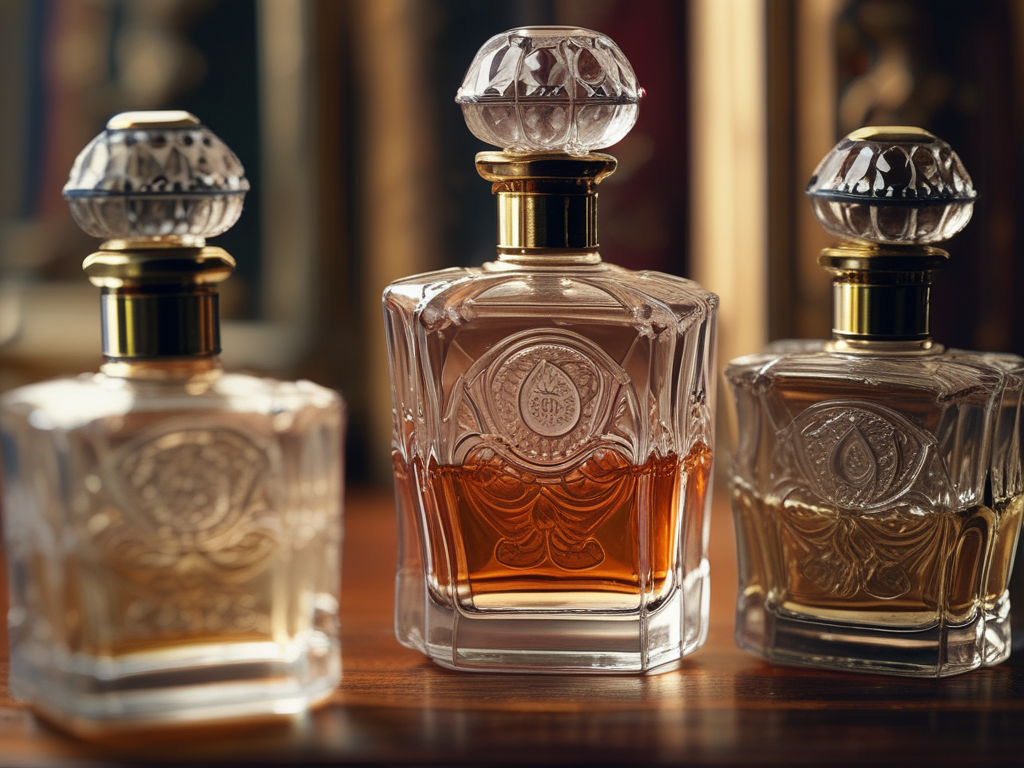
Fragrance has always been a quiet but powerful part of our lives, stirring up emotions, memories, and even shaping how we see ourselves. As someone who loves both history and perfume, I find it fascinating how, from ancient rituals to today’s everyday moments, the art of creating scents has evolved and become deeply woven into our culture. Join me as we explore the beauty of fine fragrance, its rich history, the different types of scents, and take a look at where the fragrance world stands today.
The History of Fine Fragrance

The origins of perfumery can be traced back to ancient civilizations, where fragrance played a central role in religious and cultural practices. The Egyptians were among the earliest to use perfumes, which they created from natural ingredients such as flowers, herbs, and resins. They used these scents in ceremonies and daily life, believing that the aromas were a way to connect with the divine. For instance, the famous kykeon was a sacred drink infused with fragrant herbs and was an integral part of ancient rituals.
The Greeks and Romans also embraced the art of perfumery. The Greeks used perfumes in baths and personal grooming, while the Romans, such as Pliny the Elder, documented the use of fragrances in their daily lives and medicine. Roman baths were renowned for their luxurious scents, which were often created using essential oils from flowers like roses and violets.
Napoleon’s Obsession with Perfume

Napoleon Bonaparte, the famed French leader, had a profound obsession with perfume, which is a lesser-known aspect of his life. His love for fragrance was well-documented, and he used it to enhance his personal image and presence. Napoleon’s favorite scent was reportedly Eau de Cologne, a popular fragrance during his time made from a blend of citrus and herbs. He would have this scent applied generously, and it became a part of his signature style.
His influence extended beyond his own use; he also had a significant impact on the perfume industry. The introduction of Eau de Cologne to the French court led to a surge in popularity and the development of new fragrance trends. Napoleon’s fondness for perfume showcased how scents could symbolize power and status, making a lasting impact on the cultural perception of fragrance.
Iconic Names in Perfumery

The modern era of perfumery began in the 17th century, with Grasse, France, becoming the hub of perfume production. It was here that names like Jacques Guerlain and François Coty emerged. Guerlain, founded in 1828, became famous for creating iconic scents like Jicky (1889) and Shalimar (1925). Coty revolutionized the perfume industry by making fragrances accessible to the masses with creations like L’Origan (1905).
Perfume in the 70s and 80s: Mainstream Explosion

The 1970s and 1980s marked a significant turning point for the fragrance industry. Perfumes became mainstream, with iconic scents capturing the spirit of the times. The 70s saw the rise of earthy, natural fragrances, reflecting the decade’s counterculture movement. Iconic perfumes like Estée Lauder’s Youth-Dew (1953, but hugely popular in the 70s) and Paco Rabanne’s Calandre (1969) exemplified this era.
The 1980s, on the other hand, embraced opulence and power. Perfumes became bold and extravagant, mirroring the decade’s excess and glamour. Iconic fragrances from this era include Dior’s Poison (1985) and Giorgio Beverly Hills (1981). These scents were characterized by their strong, long-lasting compositions, often with rich oriental and floral notes.
The Western Rise of Middle Eastern Perfumes
In recent years, Middle Eastern perfumes have gained significant popularity in the Western market. Known for their rich, complex compositions and luxurious ingredients, these fragrances have captivated perfume enthusiasts around the world. Brands like Armaf and Rasasi have made their mark with their distinctive scents, blending traditional Middle Eastern notes with modern appeal.
The Dupes Industry: Making Luxury Accessible
The dupe industry has also seen a surge in popularity, offering high-quality alternatives to expensive luxury perfumes at more affordable prices. This trend aligns with the belief that luxury should be accessible to everyone, regardless of budget. Brands like Dua Fragrances and Al Haramain provide excellent dupes of popular high-end fragrances, allowing more people to enjoy the luxury of fine perfume without the high price tag.
The Current State of the Fragrance Industry

Today, the fragrance industry is a multi-billion-dollar global market, with major players dominating the scene. Brands like Chanel and Dior continue to create timeless classics, while niche perfume houses such as Byredo and Jo Malone offer unique, artisanal creations. The rise of celebrity and influencer fragrances has also added a new dimension to the market.
Types of Fragrances
The world of fine fragrance is incredibly diverse, with each scent falling into specific categories. Here are some of the most popular types:
- Gourmand: These fragrances feature edible notes like vanilla, caramel, and chocolate. An example is Thierry Mugler’s Angel, which is known for its sweet, dessert-like aroma.
- Floral: Perhaps the most popular fragrance family, floral scents are composed of various flowers like rose, jasmine, and lily. Chanel No. 5 with its complex blend of florals, is a classic example.
- Oriental: Rich and exotic, oriental fragrances often include spices, resins, and precious woods. Yves Saint Laurent’s Opium is a quintessential oriental perfume.
- Chypre: Named after the French word for Cyprus, chypre fragrances are characterized by their contrasting notes of citrus, moss, and patchouli. Guerlain’s Mitsouko is a legendary chypre scent.
- Woody: These scents are grounded in notes of cedar, sandalwood, and vetiver. Tom Ford’s Oud Wood is a luxurious woody fragrance.
- Fresh: Light and invigorating, fresh fragrances often include citrus, green, and aquatic notes. Dolce & Gabbana’s Light Blue is a popular fresh fragrance.
How to Smell Perfume
Smelling perfume is an art in itself. Here are some tips to fully appreciate a fragrance:
- Test on Skin: Perfumes react differently with each person’s skin chemistry. Apply a small amount on your wrist or inner elbow and let it develop.
- Avoid Rubbing: Rubbing your wrists together can crush the scent molecules and alter the fragrance. Let it air dry naturally.
- Give It Time: Perfumes have top, middle, and base notes. The top notes are the initial impression, the middle notes form the heart of the fragrance, and the base notes are the lasting scent. Give the perfume time to unfold all its layers.
- Clear Your Nose: Smelling coffee beans between testing different perfumes can help reset your sense of smell.
My First Memory

Fragrance has always been more than just a scent for me; it’s a connection to cherished memories. My first fragrance memory is of my mother, who adored perfume and wore it every day. Despite our modest means, she made sure to indulge in this one luxury. Her scent was Anaïs Anaïs by Cacharel, and I remember sneaking into her room to bury my face in her nightgown and robe, enveloped in her fragrance. That memory is as fresh as if it were yesterday.
Ironically, my first personal perfume was First by Van Cleef & Arpels. I treasured that triangular bottle as if it were gold. Although it’s now discontinued, the memory of that fragrance remains a precious part of my past.
As we explore the evolving world of fragrance, from ancient traditions to modern luxury and accessible dupes, I invite you to join me in celebrating the art of perfume. For more insights into the world of fine fragrance and classic fashion, follow our social media accounts on Instagram and TikTok. Let’s continue to appreciate and enjoy the beauty and elegance of an elevated lifestyle together.





Leave a Reply