

In January 1848, James W. Marshall reached into a California sawmill’s tailrace. He pulled out a handful of flakes that altered human desire. Within a year, eighty thousand fortune seekers descended upon the goldfields. By 1853, that number neared a quarter of a million. This chaotic migration generated billions in modern capital. Yet, history retains a stubborn truth. Few individual prospectors ever became wealthy. The labor was brutal. The camps were squalid. The basic cost of survival was extortionate.
Promoters sold the California Gold Rush to the world as a romance of individual fortune. However, it quickly devolved into a cold business of access. Before a miner could test the dirt, he required a pan. Before he could stay, he needed basic rations like flour and salt pork. He required transportation, credit, and shelter from the elements. The dream of wealth created a thriving mercantile ecosystem long before the earth yielded real fortune.

Samuel Brannan understood this with a clarity bordering on the obscene. He never dug for gold. Instead, he publicized the discovery. He cornered the regional shovel supply. He then sold them at a premium to men arriving with fever in their eyes. He quickly became one of the territory’s wealthiest men.
Yet, something else happened in the chaos of 1849. A few things actually endured. We still wear Levi’s because heavy denim solved a physical reality of labor. We still use Wells Fargo because an expanding economy required a secure way to move value. The dreamers carried the risk and vanished. Meanwhile, the entities solving a material need became the bedrock of American commerce.
Selling the Shovels
The lesson lacks any romance. The miner assumed the risk, while the merchant sold the conditions of participation. Today, the global fragrance industry mimics that exact nineteenth-century model.
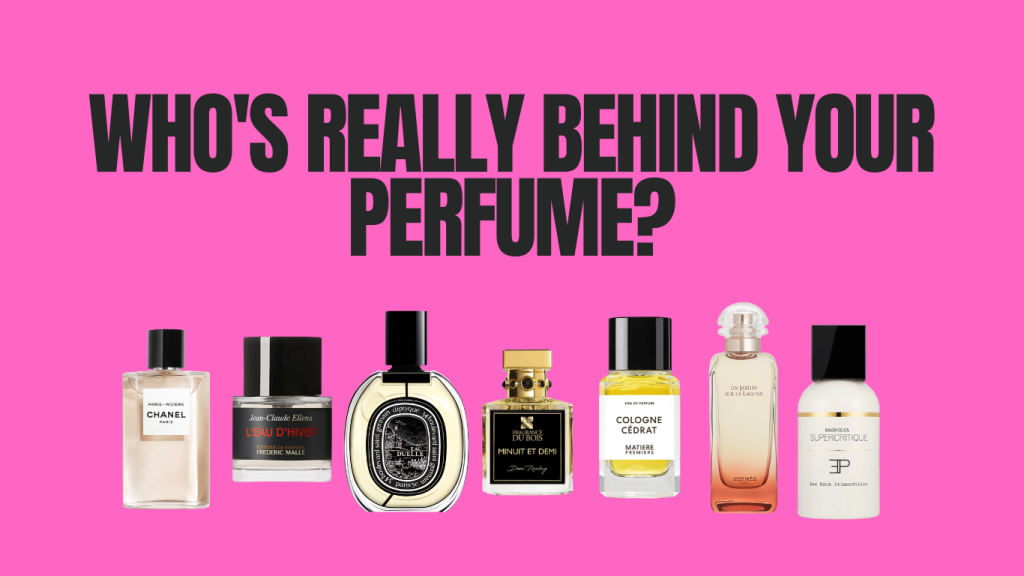
The industry stages the perfume boom as an era of unprecedented artistic abundance. Structurally, however, it remains an access economy. Founders pay handsomely to enter the market. Consumers pay continuously to keep pace with it. The behind-the-scenes cartels controlling the infrastructure hold the most secure capital. These are massive, quiet suppliers like Givaudan and IFF. Or consider industrial plants like L’Oréal’s Gauchy facility. It is currently doubling its capacity to churn out nearly 200 million bottles annually for a dozen designer labels.
These entities are the contemporary shovel sellers. They do not need to own the dream. They simply charge admission to it.
Purchasing the Pedigree
This reality becomes unmistakable during the annual perfume weeks in Paris and Milan. The surface acts as a carefully choreographed luxury spectacle. Sleek exhibition booths and historic launch dinners set the stage. Bottles gleam under theatrical lighting while influencers record their simulated epiphanies. The rooms overflow with individuals performing the future of fragrance. Some may possess genuine vision. Many, however, merely pay for proximity to it. They assume a large enough invoice can purchase legitimacy.

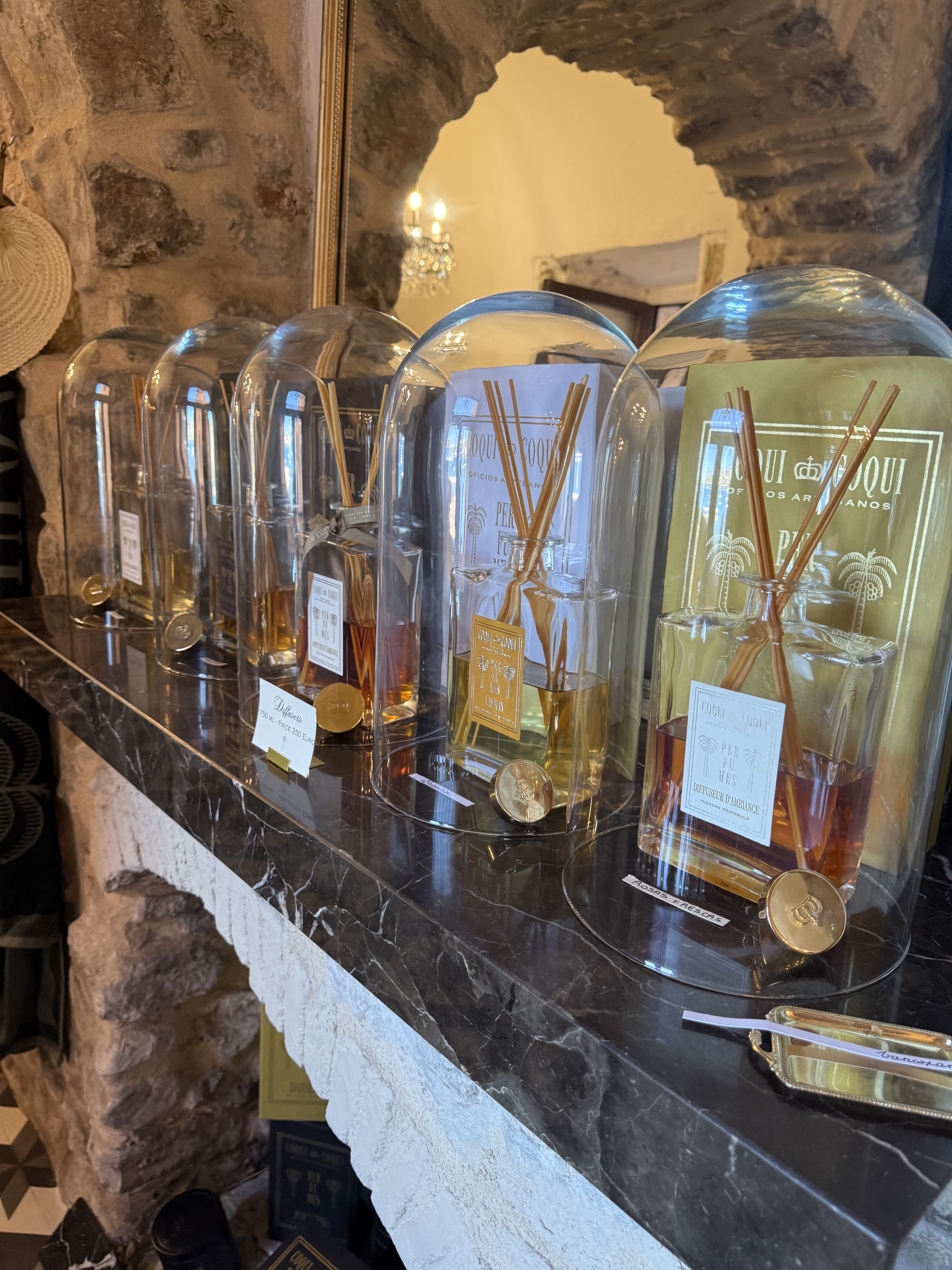
The industry masterfully commodifies that hope. Anyone with sufficient capital can now buy the external architecture of a historic perfume house. For a fixed fee, agencies assemble a turnkey brand. You commission a formula from a master laboratory. You retain a boutique branding agency. You source custom Italian glass and book a prominent European trade fair stand. The entire apparatus appears fully realized with narratives of heritage and emotion. Yet, it has not sold a single bottle or earned an ounce of cultural authority.
The perfume house becomes a purchasable identity. The establishment smiles because the founder serves as a lucrative customer long before the public inhales a single note.
A small fortune changes hands entirely within the trade before a liquid ever touches a consumer’s skin. The market does not nurture houses. It sells the fantasy of becoming one. It provides a heavy bottle to imply luxury. It offers a note pyramid optimized for digital algorithms. A copywriter polishes the emotional biography. The upcoming integration of artificial intelligence will only accelerate this. AI lowers the barrier to entry until the simulated appearance of taste becomes incredibly cheap. This further dilutes the market with polished, empty vessels.
The Empty Vessel
In Turkish, there is a wonderfully precise phrase for this: bokunu çıkarmak. It means taking a good thing and pushing it past its natural limit until the very thing that made it enjoyable disappears. Fragrance discovery became collectible, photogenic, and commercially powerful. Then the industry did what industries often do: it kept pushing until the pleasure started to disappear.

The result is a market where mediocrity easily hides inside abundance. A perfume can arrive in exquisite French glass with a reassuringly heavy cap. It carries a steep niche price tag and features a respected perfumer’s name. Yet, on the skin, it still feels entirely hollow and familiar. Creators engineer this liquid exclusively for the moment of initial impact. They design it to photograph beautifully for a social media grid. By dinner time, it becomes entirely forgettable.
The ultimate casualty of this hyper-production is the consumer. The market hands her thousands of new iterations a year alongside an exhausting new assignment. The industry brands this as “consumer education,” but it acts closer to unpaid labor. To navigate the modern counter, a buyer must become a supply-chain amateur, a marketing linguist, and a cynic. She must discern whether a steep price reflects rare raw materials or simply the amortized cost of an expensive launch party. She must decode terms like niche, extrait, clean, and heritage. Marketing executives systematically hollow out these words through endless repetition. Choice without clarity offers no empowerment. It merely forces the customer to absorb the market’s overproduction.
What Survives… The Fever
So, when the fever breaks, what will actually endure?
The corporate machinery will survive, of course. The industrial suppliers and mega-conglomerates will continue to own the shelf space and supply chains. They laugh all the way to the bank because they never bet on a single dream.
But among the brands themselves, the survivors will ignore atmosphere and founder mythology. The perfume projects will evaporate the moment the venture capital dries up or the socialite gets bored. The true houses will endure because they offer something akin to Levi’s denim. They offer a material truth. They command repeat purchases because their formulas possess actual physical structure. These scents wear beautifully for hours after the top notes vanish. They provide transparency in production rather than romantic fables. Their pricing withstands actual scrutiny.
Until then, the perfume gold rush continues turning aspiration into invoices. The instinct to seek beauty, memory, and sensuality inside a glass bottle remains correct. The insult lies in asking customers to pay true luxury prices for ordinary juice wrapped in an extraordinary illusion. The fragrance industry clearly understands the mathematics of the fever. It remains to be seen how long the customer will content herself with buying the shovels.







Leave a Reply