

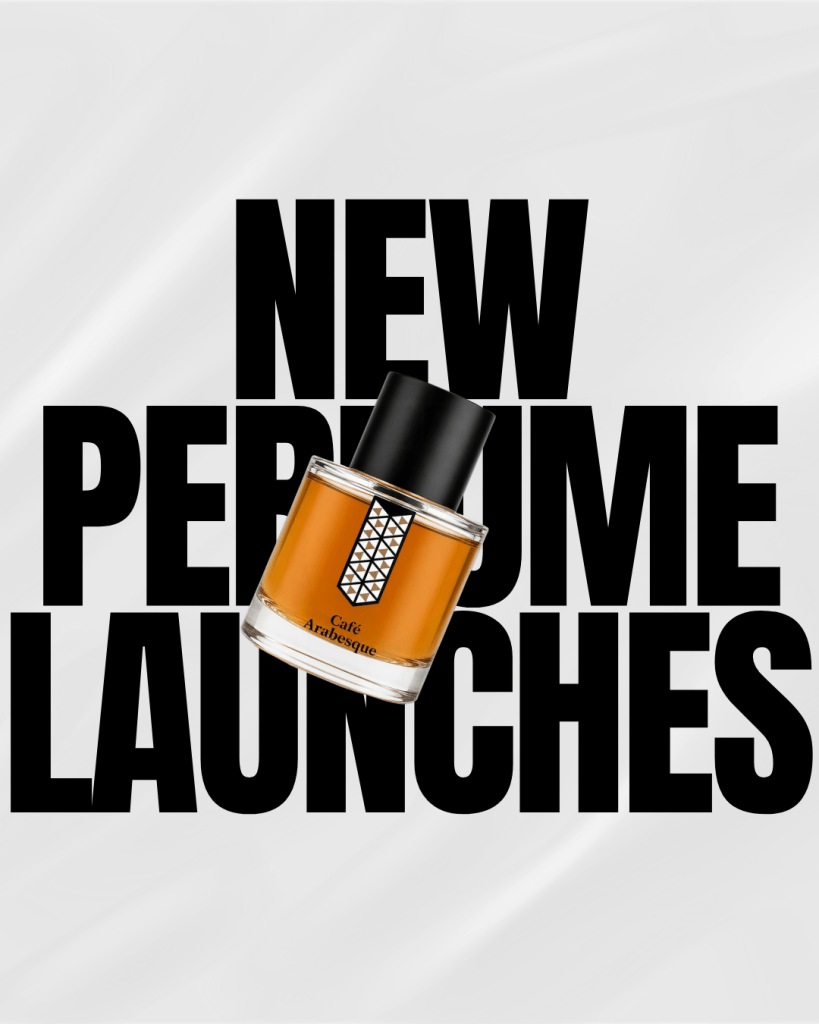
We are only halfway through the year, and the fragrance industry has already released over 3,000 new perfumes. This is not innovation. It is saturation.
The perfume world is experiencing a full-scale gold rush. Investors, fashion conglomerates, and private equity firms have all zeroed in on scent as the next frontier in luxury. As handbags and apparel falter, fragrance stands out as profitable, scalable, and less season-dependent. But this boom raises critical questions about artistry, quality, and what we expect from the brands we support.
A Fragrance Rush, Not a Renaissance
This surge is not entirely unprecedented. We have seen it before in other industries: craft beer, clean skincare, and digital assets (NFTs). Once a niche category attracts widespread attention, the floodgates open. The goal shifts from creation to capitalization.


Fashion offers a cautionary tale. As fast fashion replaced atelier workmanship, the industry became more profitable but also more disposable. Seasonal collections shrank to monthly drops. Clothing lost its soul. Now, perfumery risks the same fate. When speed and story take priority over skill and sourcing, it is the consumer who ultimately pays the price, often with cluttered shelves and little understanding of what they’re buying.
Wine is another telling parallel. There are vintners who oversee their land, tend their vines, and press every grape themselves. And there are industrial producers who apply a picturesque label to mass-blended wine made for volume, not distinction. The former yields craft. The latter, convenience. Perfume today faces that same divide.
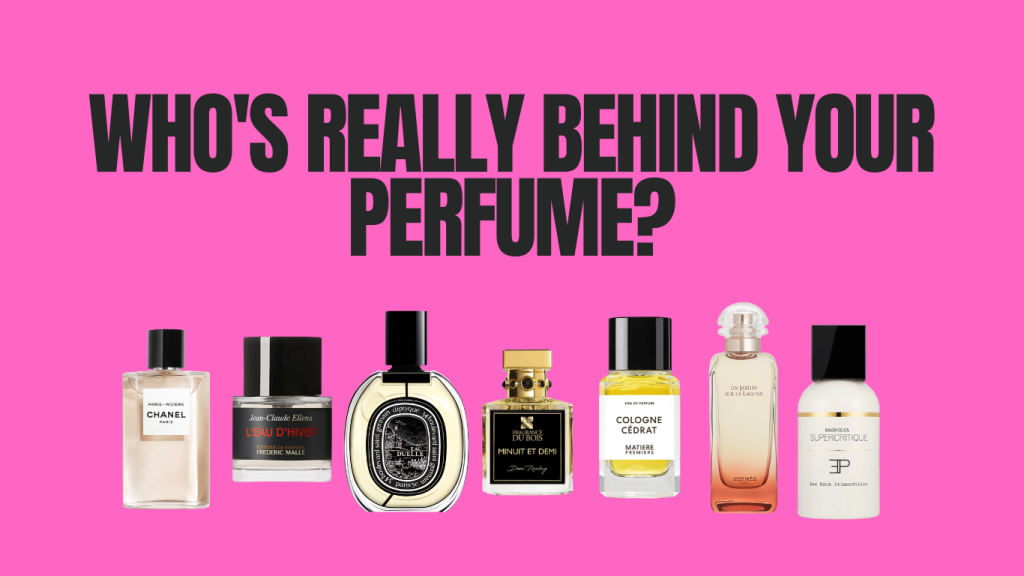
Most new perfume launches follow a predictable model. A branding agency drafts a concept, a third-party lab receives the brief, the scent is composed by a freelancer, and the final product is produced and packaged externally. These are not perfume houses. They are fragrance developers. Their strength lies in marketing, not making.

Storytelling has replaced sourcing. Mood boards have taken the place of mastery. And consumers, swept up by influence and novelty, are often left with products that are beautifully branded but creatively hollow.
The Cost of Outsourcing Everything
In this model, nearly everything is outsourced: concept development, formulation, compounding, bottling, even logistics. The perfumer is rarely named. The production site is kept vague. This process favors speed and efficiency but often sacrifices depth and detail.
When anyone with capital can launch a fragrance brand, the bar drops. A developer can follow a trend, adjust an existing formula, and sell it as luxury. This is not innovation. It is replication.
From Curating to Consuming
Perfume collecting has become a public ritual, a source of identity, and often, a numbers game. Social media is full of unboxings and haul videos. For many, the thrill lies not in wearing perfume, but in acquiring it.

The gray market thrives in this environment. Surplus stock is sold off and rebranded as rare finds. But what looks like discovery is often liquidation. When the market is flooded, exclusivity becomes a marketing illusion.
Perfume as Capital
Fragrance is now seen as a strategic asset. L’Oréal acquired Aesop for $1.1 billion. Estée Lauder bought Frederic Malle and By Kilian. Puig, the Spanish family-run group behind Byredo and Penhaligon’s, went public at a valuation exceeding €13 billion. Private equity firms are backing brands like Initio and Parfums de Marly.
These acquisitions are not about artistic vision. They are about margins, scale, and shelf space. The word “niche” used to signal independence and craft. Now it signals a price bracket.
What Real Perfume Houses Do Differently
True perfume houses own their process. They invest in labs, equipment, raw materials, and expertise. They work with in-house perfumers or maintain lasting collaborations with trusted professionals. They do not just pitch an idea. They produce the work themselves.

These are a few examples of brands that maintain vertical integration and prioritize craft:
- Amouage: Produces and bottles all fragrances at its facility in Muscat, Oman. Despite a minority stake acquired by L’Oréal in 2025, production remains in-house.
- Orto Parisi: Alessandro Gualtieri formulates each scent in his private lab.
- Hermès: Christine Nagel leads in-house creation, and production is fully internal.
- Chanel: Manages everything from flower cultivation in Grasse to in-house perfumers and proprietary production.
- Guerlain: Manufactures perfumes at its historic site in France, with in-house perfumers and original formulas.
- Cartier: Mathilde Laurent directs fragrance creation with full creative and technical control.
- Fueguia 1833: Uses a private lab for small-batch, in-house production.
- Nicolaï Parfumeur-Créateur: Patricia de Nicolaï oversees all aspects of fragrance creation.
- Les Indémodables: Controls every stage, from raw material extraction to bottling, at its facility in France.
Perfumer-Led Brands with Creative Ownership
Defining niche takes clarity. Vertical integration is the gold standard, but there is one exception worth noting: the perfumer-led brand. Many top perfumers spend years creating for clients, following briefs, and working behind the scenes. Their formulas are owned by the companies they work for. Their names are often omitted.
When a perfumer launches their own brand or takes creative leadership, they gain something rare: full independence. Some of the work is daring and original. Some, like Ella K, may be more technical than emotive. But what matters is that the result reflects personal authorship.

Other examples include Akro, founded by Olivier Cresp and his daughter Anaïs, and Essential Parfums, which gives star perfumers space to sign and retain ownership of their creations. Matière Première, led by Aurélien Guichard, follows a similar path—he formulates using Takasago’s palette, with a small portion of raw materials grown on family land in Grasse. These brands don’t always control production, but they offer something else: creative ownership. In a system where perfumers are often anonymous, that alone is a quiet revolution.
This independence also reframes pricing. A brand that outsources production to a major lab like IFF or Givaudan cannot credibly charge $400 a bottle while claiming to use rare ingredients. These facilities are built for scale. They rely on materials that are widely available, chemically stable, and cost-effective in large batches. Scarce naturals are often avoided not because they lack beauty, but because they disrupt efficiency. Most small producers of rare ingredients do not supply large labs, and most large labs are not structured to accommodate that level of specificity.
This is not speculation. This is how large-scale perfumery functions.
So if a brand uses a mass-production lab, leans on vague formulas, and justifies a luxury price through marketing alone, that is not niche. It is strategy.
True niche means either owning the process or being transparent about it. Anything else is storytelling.
So What Happens Now?
The fragrance industry is not broken, but it is bloated. For thoughtful consumers, the challenge now is cutting through the noise.
We believe in craft. We believe in clarity. We believe in vertical integration.
Perfume should be made by those who understand it.
Do you?
Feel fee to drop us a line if you agree or not:
#Craftsmanship #Transparency #VerticalIntegration




Leave a Reply