
There’s a moment when a word loses its pulse. In perfumery, that word is niche. We’re watching the quiet death of a term that once stood for artistic rebellion and now means nothing at all.
Niche used to suggest something secret, refined, rare. Smaller production, limited distribution, discretion. You had to seek it out. You had to know.
That era is gone.
How “niche” began
The word started as resistance. In 1984, Yuri Gutsatz of Le Jardin Retrouvé and Jean Laporte of L’Artisan Parfumeur debated what to call a new path for independent creators. Third-way perfumery. Parallel perfumery. The label came later. The intent was clear: restore creative freedom and give perfumers their names back.

That stance placed Le Jardin Retrouvé at the roots of what became niche perfumery. But as the movement grew, its language was hijacked. What began as rebellion became another tier of luxury marketing.
From scale to story
Originally, niche described small houses producing in limited quantities and selling through select boutiques. A logistical term, not a philosophy.
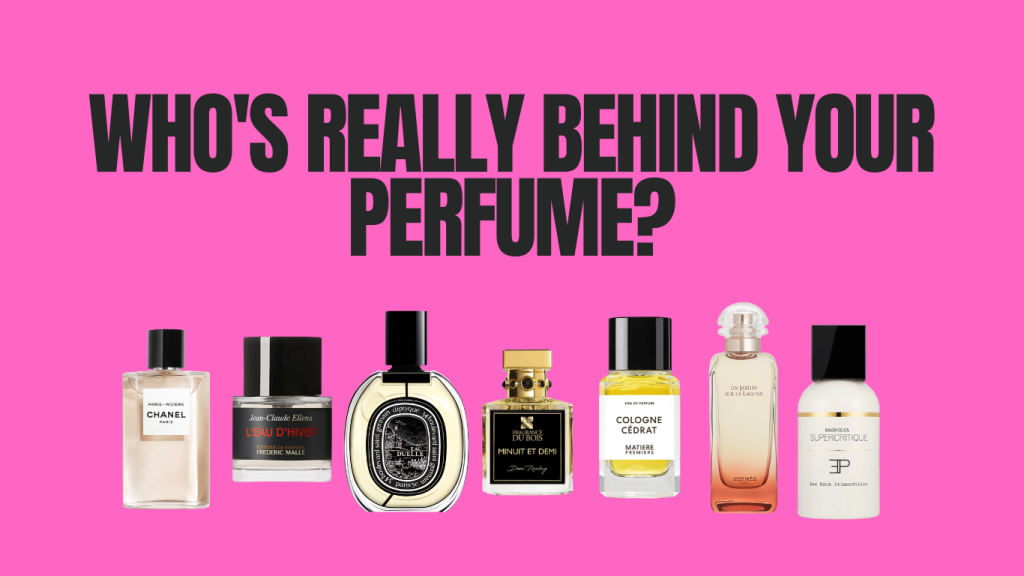
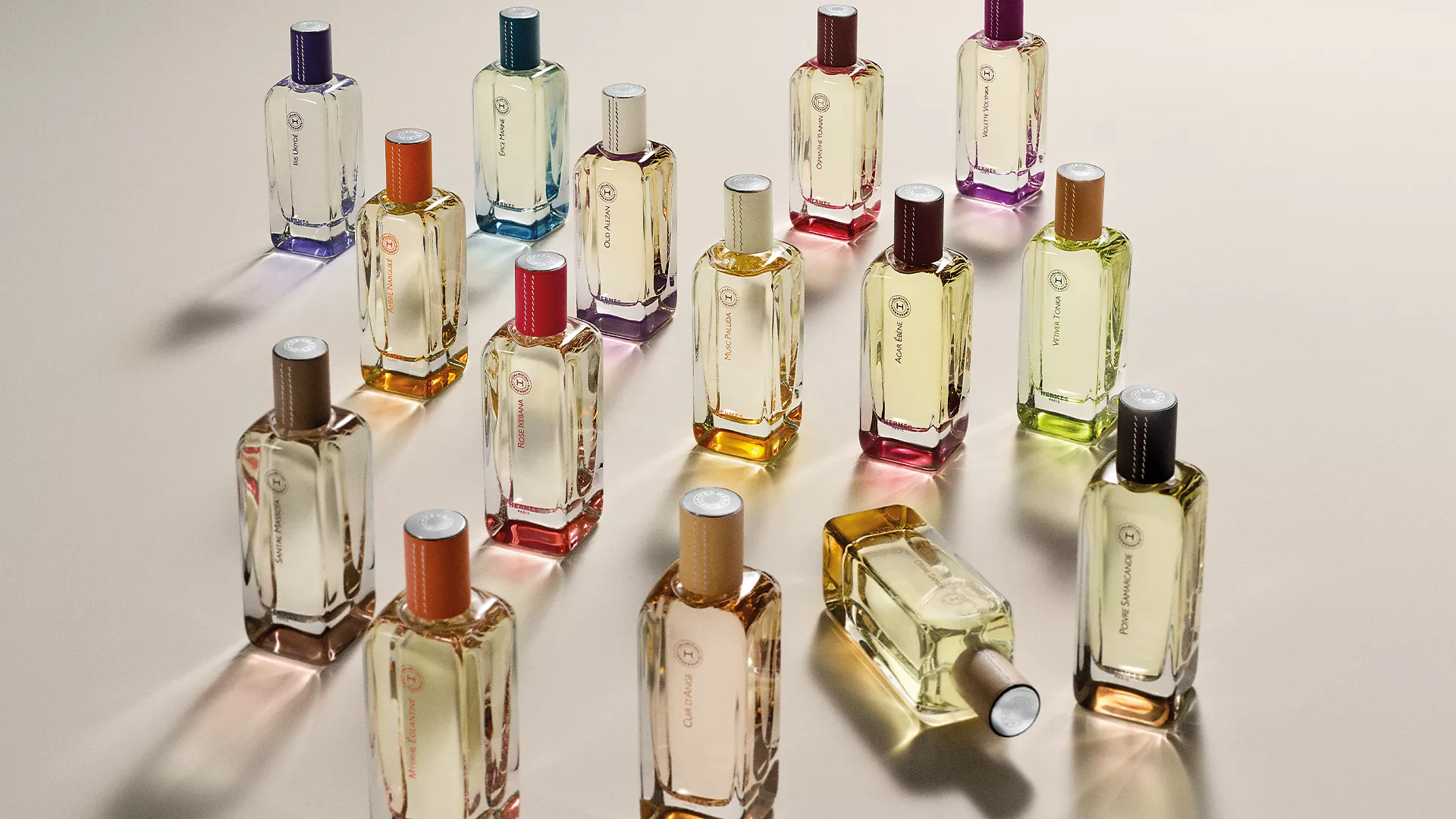
Then came the gold rush. When “niche” turned profitable, the big players moved in. Chanel, Hermès, Guerlain, Dior, all launched “exclusive collections,” priced like boutique brands but made at scale. Soon, you could buy them at airports.
Distribution no longer defined difference. Storytelling did.
Brands began justifying the label through narrative: We tell stories. We use rare ingredients. We don’t make handbags. It sounded poetic, but it wasn’t structural. Most were briefed by marketing teams, produced by the same industrial suppliers, Givaudan, IFF, Firmenich, Symrise, and bottled by the thousands.
They’re often beautiful. They’re not rare.
What insiders are saying

Even perfumers know the word has collapsed. During an interview in Milan, Arturetto Landi said:
“Niche has to reinvent itself a little bit. It has reached its peak. If they don’t find something new around it, it will go down.”
He’s right. The word no longer signals originality. It signals fatigue.
The collapse of meaning
The issue isn’t aesthetic; it’s semantic. The industry keeps stretching niche to fit whoever can afford to use it. That elasticity made it meaningless.
Consumers can’t rely on it to indicate independence or craftsmanship. A $400 bottle and a $90 one may come from the same lab. And while the French once defined perfumery’s vocabulary, perhaps they should also help update it. As Oriental slowly disappears from olfactive language, niche should follow.
If everything is niche, nothing is.
Letting it die
The honest move now is to drop the word.
Perfume doesn’t need categories like niche, designer, or indie. They obscure what matters: how it’s made, who makes it, and who controls the process.
Replace them with language that reflects reality:
- Craftsmanship: Who builds the perfume.
- Authorship: Who signs the formula.
- Scale: How it’s produced.
- Transparency: Who controls it from idea to bottle.
That’s how to talk about perfume with integrity. Everything else is theater.
The obituary
Niche once stood for creative freedom. Now it stands for marketing fatigue. The movement that began as a rebellion has become its most polished version.

As Gutsatz and Laporte warned, perfumery loses its soul when it loses its authors. The same is true of language.
Niche is dead.








Leave a Reply